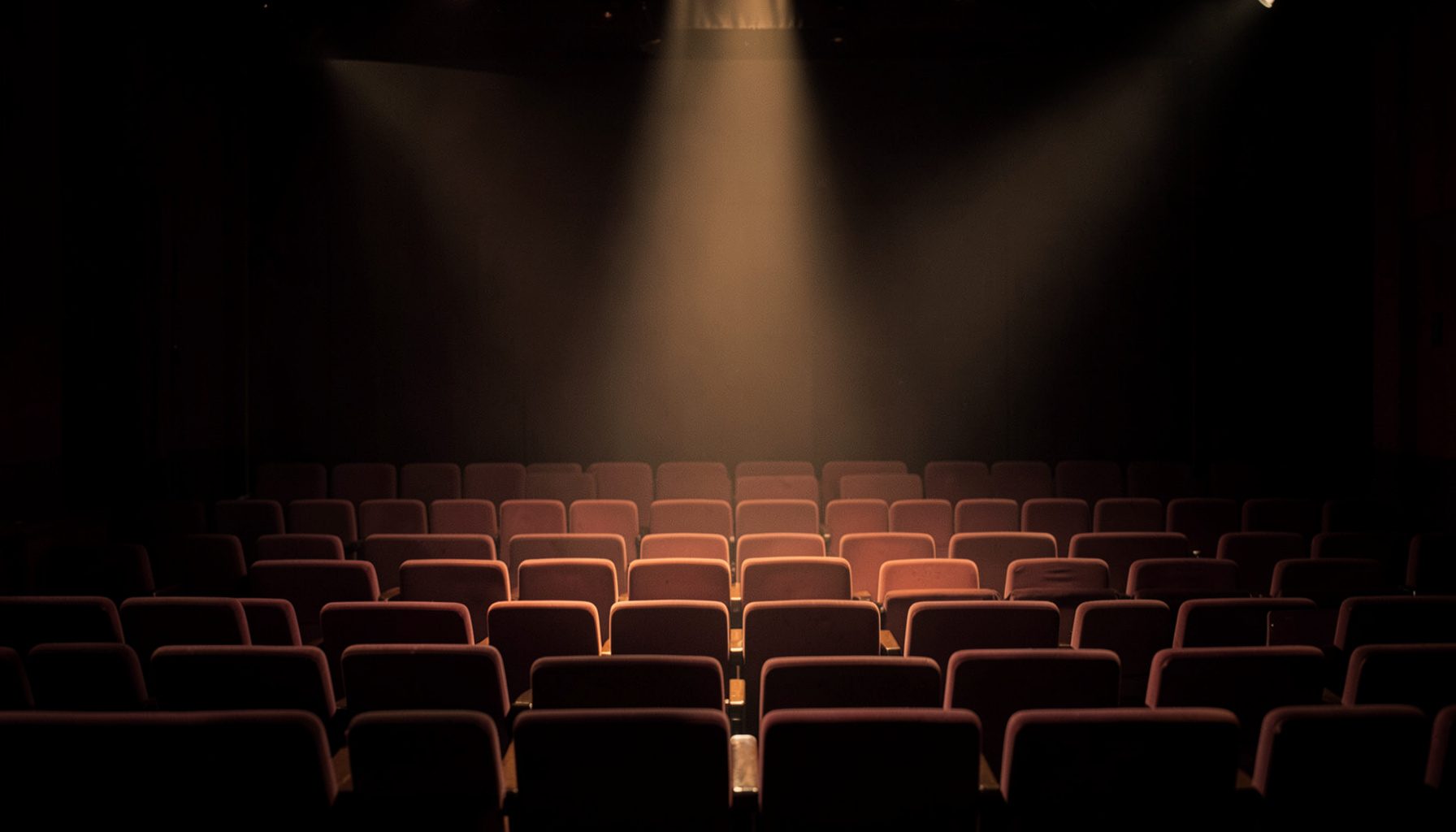
Theater Etiquette for the Post-Lockdown Audience
After the long pause of pandemic closures, Australian theatre has reopened its doors to full houses, and the thrill of live performance is once again filling venues from Sydney to Perth. Yet the experience of attending a show in this new era carries some subtle differences from the pre-2020 ritual, with houses asking patrons to refresh their habits as well as their memories.
Whether you're settling into a seat at the Sydney Opera House, catching a matinee at Melbourne's Comedy Theatre, or discovering a small independent production at Belvoir St Theatre, a few shared courtesies help performers, crew, and fellow patrons enjoy the night. This refreshed guide walks through the small things that make a big impression, from booking your ticket to taking your final curtain call.
Booking Tickets and Preparing for the Night
Most major Australian venues sell through Ticketek or TodayTix, and many have moved to contactless entry, so downloading your mobile ticket before you leave home saves a fumbling moment at the door. Check the venue's website for specific entry rules, since policies around latecomers and bag checks can vary between the Capitol Theatre in Sydney, QPAC in Brisbane, and the Festival Centre in Adelaide.
Dress codes are largely relaxed these days, though a little intentionality still feels appropriate for opening nights and gala events. Many Sydney and Melbourne houses now offer pre-show dining packages, which makes planning a restaurant reservation part of the evening's ritual. If you're making a night of it, allow time for public transport connections, especially since Melbourne trams running through Southbank and Sydney's light rail around Moore Park can be slower on event nights.
| Pre-Lockdown Habit | Post-Lockdown Practice |
|---|---|
| Printed tickets collected at the box office | Mobile or printed tickets, often contactless scan |
| Usher-led seating with printed programs | Self-directed seating, digital programs via QR code |
| Cash-only bars and merchandise | Tap-and-go payment widely accepted |
| Walking in during the overture tolerated | Latecomers held until a suitable break |
Health and Safety at the Door
Australian venues operate under guidance from Live Performance Australia, the industry's peak body, which continues to recommend sensible hygiene practices even as mandatory restrictions have eased. Hand sanitiser stations remain a familiar sight in foyers, and many theatres still encourage patrons who feel unwell to swap their tickets rather than push through.
Mask-wearing is now a personal choice in most states, but if you do wear one, choose a quiet fabric that won't crinkle during quiet scenes. Some houses, like Sydney Lyric, still offer complimentary mask stations near the entrance. Ushers and front-of-house staff are usually happy to answer questions about ventilation or accessibility seating if you ask before the doors close.
Punctuality, Bells, and Finding Your Seat
The three-bell tradition remains alive in Australian venues, signalling that the performance is about to begin. If you hear the first bell while still in the foyer, finish your drink and head to your aisle. The second bell means the doors to the auditorium are closing, and the third bell marks the official start, at which point latecomers will be held in the foyer until a suitable break.
Seating in Australian theatres is generally reserved at all major venues, so check your ticket carefully. Numbered rows run alphabetically in most Sydney and Melbourne houses, and if you need to swap seats because of a sightline issue, do so before the curtain rises rather than during a scene change.
Phones, Cameras, and Quiet Devices
The cardinal rule remains unchanged: silence your phone completely, not just on vibrate. The glow of a screen in a darkened auditorium is surprisingly distracting to the actors, who genuinely can see it. Several Australian venues, including the Sydney Lyric Theatre, still provide phone lock-pouches at the entrance where you can seal your device for the duration of the show.
Photography and video are almost universally prohibited during performances, even if the curtain call feels photo-worthy. Wait until you are back in the foyer or outside the building before posting to social media, and never use flash at any point inside the auditorium. Hearing aids and accessibility apps should be set up before the house opens, so adjustments don't disturb your neighbours mid-scene.
In Your Seat: Responses, Sounds, and Wrappers
Audiences in Australian theatres tend to be warm and responsive, with laughter, gasps, and applause all welcome. Standing ovations are reserved for genuinely remarkable performances and are not obligatory, so feel free to remain seated if you were moved but not thunderstruck. The tradition of applauding at the curtain call is the moment performers have been waiting for, so save your strongest reaction until then.
Coughs happen, and a quiet lozenge unwrapped before the lights go down is far less disruptive than one rustled mid-monologue. If you need to leave your seat during the performance, choose a break in action and step out as quietly as possible, using the aisle nearest the exit rather than squeezing past a row of settled patrons. Cultural gathering spaces have evolved in surprising ways — architecture of the mall reshaped how Australians meet and linger, and modern theatre foyers are now multi-purpose venues for drinks, conversation, and pre-show excitement, so a thoughtful exit keeps that shared atmosphere calm for everyone.
Intermission, Drinks, and Post-Show Behaviour
Intermissions in Australia typically run twenty minutes, which is enough time for a quick drink at the bar but not enough for a leisurely chat in the foyer. Order your interval champagne in advance where possible, since queues at the Comedy Theatre and the Princess Theatre can stretch back impressively on opening nights. Public bars are now standard at most venues, and tap-and-go speeds things up considerably.
At the final curtain, wait for the house to fully light and the actors to take their bows before standing to leave. Picking up your program, coat, or merchandise from the foyer is easier done after the crowd clears. If you'd like to share your thoughts afterwards, about Dueling Critics explains how listener reviews and audience feedback help shape local theatre coverage. Until the next house lights dim, a little courtesy goes a long way toward making the stage feel like home.