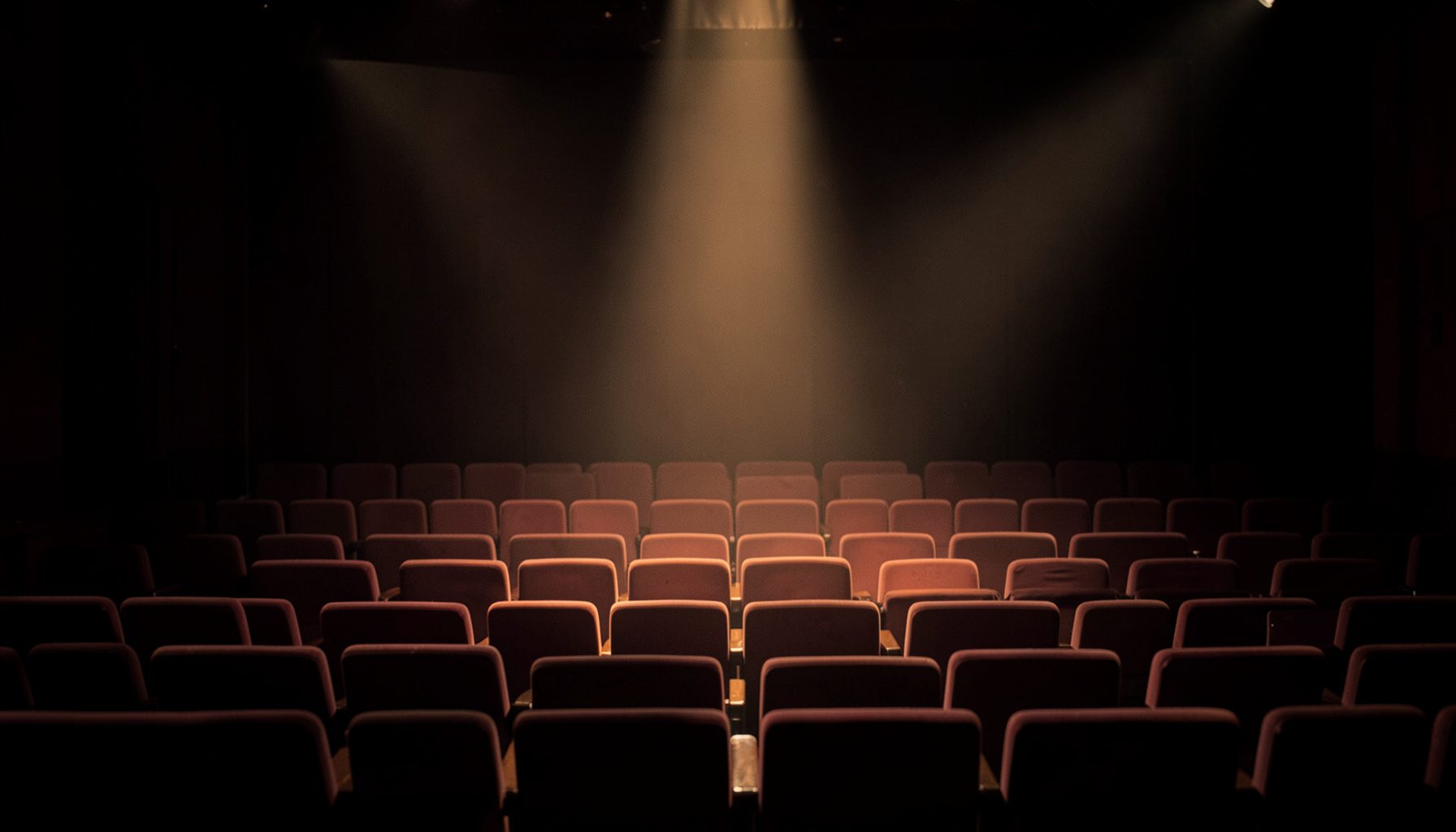
A look at the technical rehearsal: where magic meets mayhem
A technical rehearsal is the first controlled meeting between a production’s creative ideas and its machinery. Scripts, blocking, lighting states, sound cues, props, flying systems and scene changes are tested together, usually without an audience. The stage manager calls the sequence; the company performs, pauses and repeats until the whole machine can be trusted.
It is often the least glamorous part of theatre, yet its problems can be revealing. A cue that looks effortless in rehearsal may falter before an audience, while a rough transition can expose the boldest shape of a director’s idea. Australian crews might call the work fiddly, demanding or plain weird, but they rarely treat it as mere polishing.
Before the first cue
Before the first cue, the technical director, production manager and venue team map the working conditions. At Melbourne’s Arts Centre or Brisbane’s QPAC, multiple spaces and shared service routes can turn a load-in into intricate choreography. A touring set built for another venue must adapt to local stage dimensions, power supplies and access points.
The company then tests those constraints against the production plan. At Roslyn Packer Theatre in Sydney’s Walsh Bay, scenery, rigging and performers must negotiate a real venue rather than an abstract spreadsheet. Tracks, fly rails and QLab sequences are checked, but so are emergency exits and safe working limits. Precision begins with knowing where a thing can go.
The production as a live machine
Lighting, sound and projection are cued against performers rather than played on a timer. A fade may need to meet a spoken line; a fly may wait for a headlamp to reveal it. Where a production offers live captioning or hearing assistance, access feeds and sightlines need their own rehearsal. Technical magic often comes from precise timing plus several people doing ordinary tasks without fuss.
A run is stopped whenever one part slips. A performer holds a position while a sound operator checks levels, or an actor retrieves a prop from the wrong table. The pause looks like mayhem from the stalls, but it is controlled diagnosis. Clear calls—“hold,” “reset,” “stand by fly rail”—let the team isolate the fault and try again.
Safety, fatigue and local conditions
Australian theatre carries particular workplace realities. Safe Work Australia and state regulators set expectations, while Fair Work National Standards govern breaks for many employees. Crews undertaking a late load-in or an extended cue session need rest, water and a safe way to raise concerns. A tired operator is not a reliable source of “the usual level.”
The sector also relies heavily on volunteer ushers and front-of-house marshals. They may welcome patrons, distribute programmes and manage door times while paid professionals run the technical system, so their briefings must be precise. Clear Australian-English instructions matter: “fiddly” can describe a mechanism, but it cannot replace a demonstrated procedure. Good safety belongs inside the rehearsal process.
When the doors open
A technical rehearsal tests coordination; a dress rehearsal tests continuity; a preview tests the production with an audience. Mixing those labels blurs both process and judgment. A late change approved in tech may be necessary, yet it may also alter pacing, lighting or an actor’s focus before critics and subscribers see the finished work.
Australian theatre markets add another wrinkle. Last-minute listings through services such as Today Tix can fill preview seats with first-time attenders, while subscribers may arrive already familiar with the story. Applause can mask a sound cue, laughter can shorten a pause and latecomers can expose a weak transition. The room becomes a new variable rather than a verdict on the rehearsal team.
Reading the rehearsal as a critic
A critic should look beyond polish that remains unfinished. Useful questions include whether the technical choices clarify the production, whether transitions have purpose and whether access needs have been considered. A dropped cue matters most when it reveals weak planning or forces an avoidable reset, rather than because wires were visible during a stoppage.
Some productions combine formats in a technical dress rehearsal, but that label still demands context. Reviews should distinguish temporary problems from artistic evidence: a rough cue may disappear after adjustment, whereas an awkward pause may belong to the performance itself. Sound criticism protects both clarity and fairness.
| Rehearsal | Primary purpose | Audience present | Critical focus |
|---|---|---|---|
| Technical rehearsal | Integrate production elements and correct faults | Usually none | Cue reliability, movement, access and safety |
| Dress rehearsal | Rehearse continuity, including scene changes | None or invited guests | Pacing, transitions and performance readiness |
| Preview | Present the production before regular performances | General public | Presentation, audience effects and unresolved problems |
Book tickets through the venue or Today Tix, read Dueling Critics’ reviews and listen to the podcast after each show. Notice how cues, transitions and technical choices shape the story, then support thoughtful coverage of the work unfolding across Australian stages.