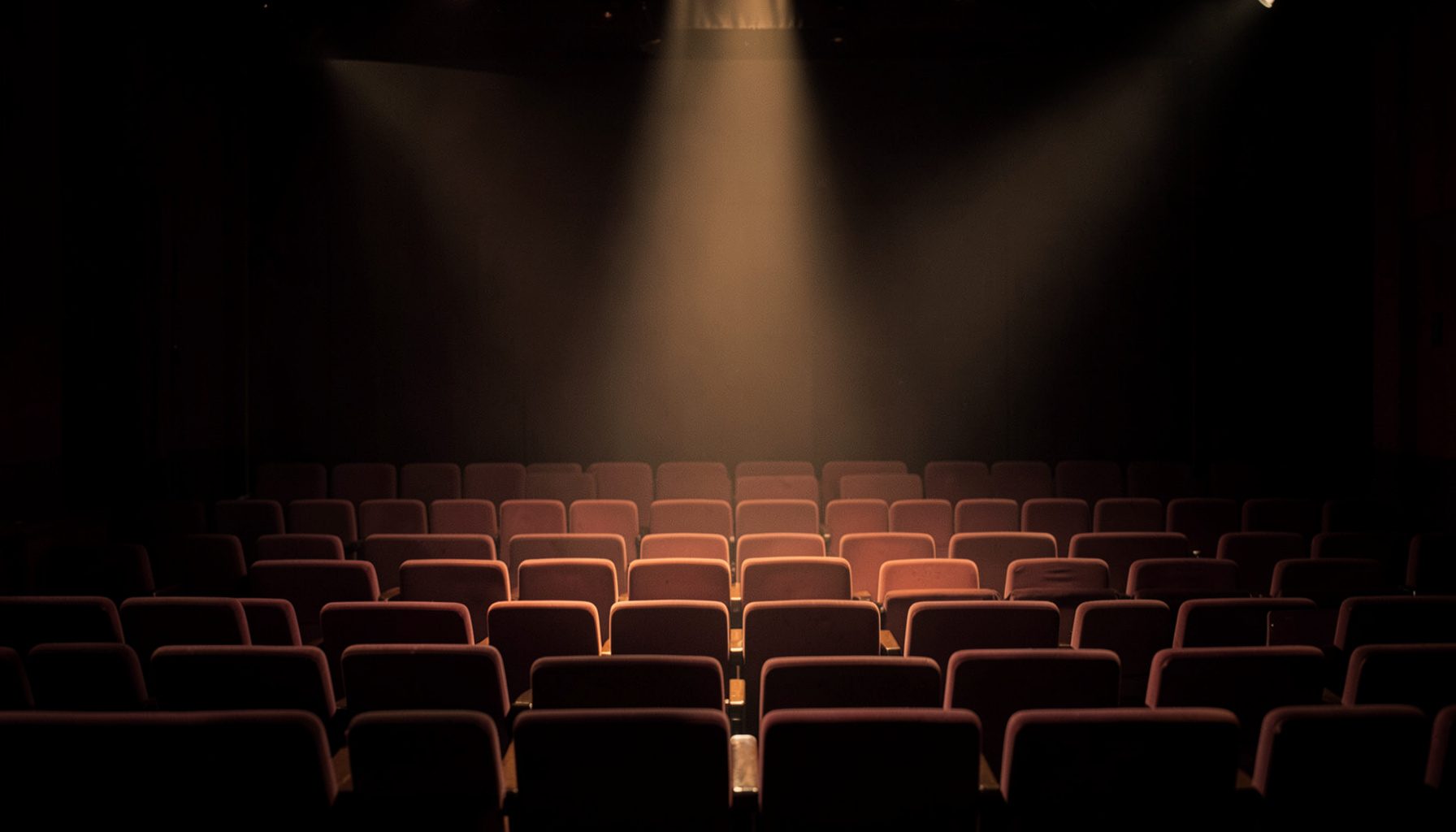
The Skin of Our Teeth at the Gift Theatre
Thornton Wilder’s The Skin of Our Teeth is a strange, elastic play: part family comedy, part apocalypse story, part theatrical manifesto. At the Gift Theatre, its collisions between domestic routine and planetary disaster feel sharply contemporary, even when the script reaches back to the Ice Age, the Flood and the Second World War.
This is a production that trusts the audience to move quickly between laughter and alarm. Its pleasures come from the ensemble’s energy, the play-within-a-play structure and Wilder’s refusal to offer a comfortable ending. For Australian audiences accustomed to theatre that can shift from comedy to crisis within a single scene, the experience has a recognisable rhythm.
A Family Built For Survival
The Antrobus family sits at the centre of Wilder’s design, though “family” is an unstable category here. George and Maggie are parents, survivors and archetypes; their children carry competing versions of human possibility. Their household resembles a museum of civilisation and a pressure cooker at once.
The Gift’s approach makes the family’s bickering feel intimate before the larger catastrophes arrive. That scale matters. The play works best when the end of the world begins with a quarrel over chores, desire or authority. The ordinary becomes absurd because history keeps intruding on it.
Wilder’s Wild Theatricality
Wilder never permits the audience to settle into realism. Actors acknowledge the mechanics of performance, scenes can fracture, and the structure keeps reminding us that theatre itself is an act of collective survival. The Gift Theatre leans into that theatricality rather than smoothing it away.
That choice may appeal especially to viewers familiar with the formal playfulness of Melbourne’s Malthouse Theatre or Sydney’s Belvoir. Like those companies, the Gift understands that a bare stage, a visible convention or a deliberately artificial gesture can carry more force than elaborate naturalism.
Comedy Under Pressure
The comedy is broad, but it is rarely weightless. A joke about domestic inconvenience can sit beside an image of mass extinction; a bit of stage business can expose the selfishness and resilience of the species. The production’s strongest passages let the laughter curdle before it disappears.
Australian spectators may recognise the uneasy humour of catastrophe management: the jokes made during a bushfire warning, the practical argument about supplies during a flood, the social rituals that continue during a crisis. Wilder’s play predates those specific realities, yet its emotional logic remains familiar.
| Element | In Wilder’s Play | Resonance For Australian Audiences |
|---|---|---|
| Repeated catastrophe | Ice Age, Flood and war | Bushfires, floods and climate anxiety |
| The Antrobus home | A fragile centre of civilisation | The household as refuge and burden |
| Metatheatrical form | Actors reveal the performance | Festival and experimental theatre traditions |
| Hope | Survival without certainty | Persistence through social and environmental disruption |
An Ensemble Demanding Commitment
The play depends on performers who can shift register without losing emotional connection. Characters must be ridiculous, symbolic and recognisably human, often within minutes. The Gift’s ensemble-driven method suits that demand, placing emphasis on timing, physical presence and the relationships between performers.
There are moments when the production’s abundance risks becoming noise. Wilder’s language is already crowded with ideas, references and tonal pivots, so a scene can lose its centre if every gesture arrives at maximum intensity. Still, the commitment is persuasive, particularly when the actors allow a pause or a small domestic detail to interrupt the theatrical storm.
A Conversation Across Theatres
For critics and theatre-makers, The Skin of Our Teeth raises a useful question: how should a company stage a classic about humanity’s repeated failures without turning it into a museum piece? The Gift answers by treating the text as a live argument rather than a sacred object. Its rough edges become part of the encounter.
That conversation connects with the wider movement from page to performance explored in Chicago theatre criticism. The production is especially rewarding when its interpretation feels discovered in the room, through bodies, rhythm and shared risk rather than imposed as a single explanatory concept.
Hope Without A Safety Net
The play’s final effect is less reassurance than instruction. The Antrobus family survives, but survival does not make them wiser forever. The cycle can begin again. Wilder’s optimism is therefore demanding: hope is a practice, not a reward.
That makes this Gift Theatre production a strong choice for audiences interested in ambitious revivals, experimental staging and the relationship between private life and public disaster. Readers following international cultural commentary can also find a different perspective through global arts coverage, though Wilder’s central challenge remains close at hand: keep performing, keep rebuilding and remain alert to the cost of beginning again.
Seek out The Skin of Our Teeth at the Gift Theatre for its volatile mix of comedy, history and theatrical invention. It is a production that leaves the audience with no easy shelter, only the uneasy privilege of returning to the world and seeing it afresh.