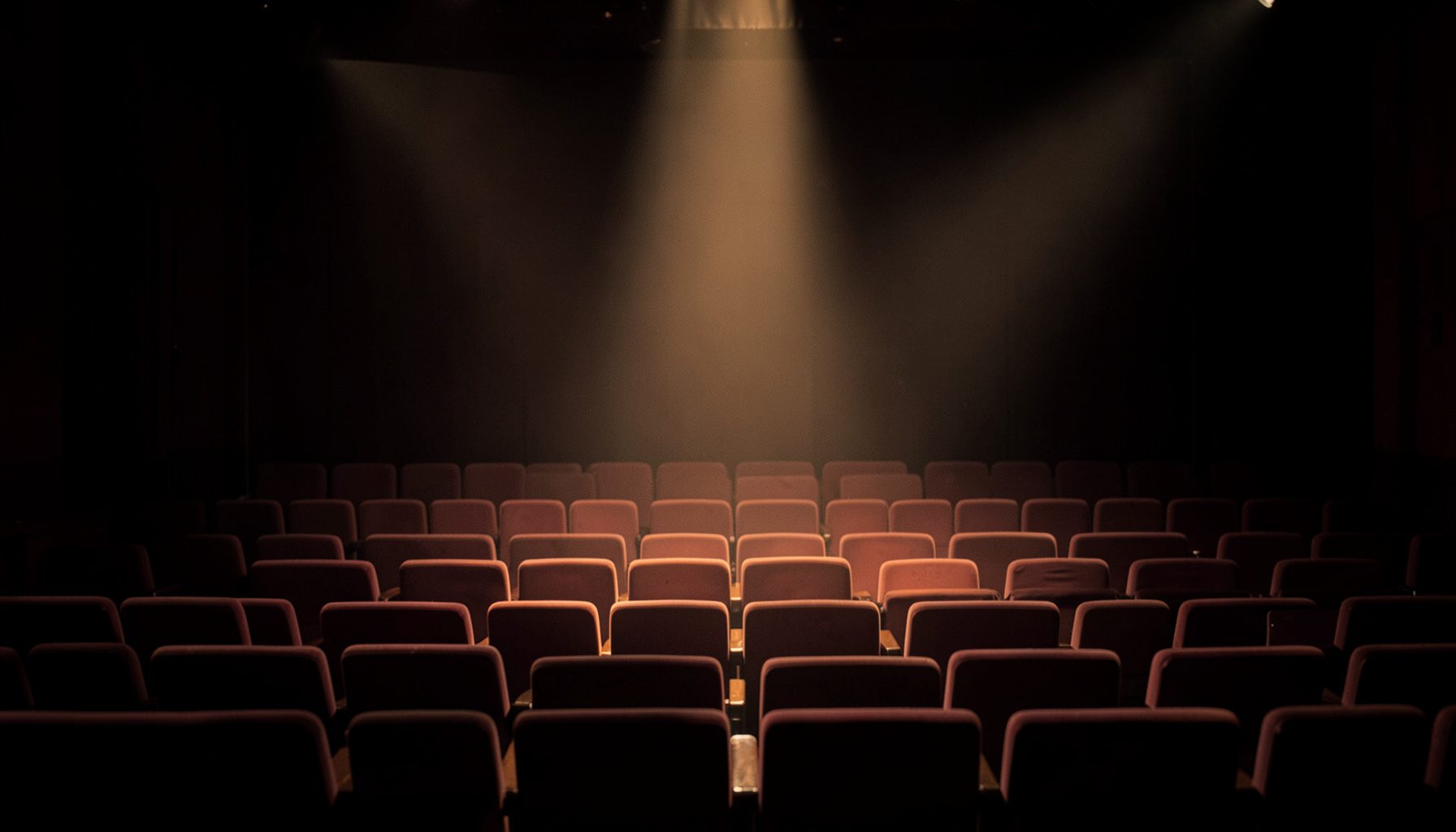
How a simple set can tell a complex story
Stage design is never mere decoration. A doorway, chair or pool of light can establish social order, isolate a performer or make the past feel close. When those elements are few, the choices become unusually visible.
A simple set can carry a complex story because it asks the audience to complete the picture. The gap between what is shown and what is suggested creates room for inference, turning a bare room into a contested home, a courtroom or a memory.
That openness also shifts weight onto acting, blocking and sound. A chair must earn its place, a pause must change the temperature, and a change of light must signal time or temperament without spelling everything out.
Criticism becomes most interesting when a production trusts the audience to assemble meaning from such clues. The designer’s task is to remove thought from the stage, but to concentrate it in a few carefully chosen signs.
Space becomes a character
An empty stage is not neutral space. Its scale allows an audience to imagine almost anywhere, but it also makes every entrance and retreat feel significant. A performer crossing a wide floor can appear exposed, purposeful or trapped, depending on where the director places the body within that space.
A single doorway can suggest more than a way into the room. It might divide family members, frame a returning soldier or establish that someone is permitted to enter while another waits outside. Its position can create unequal power before a line of dialogue is spoken.
Physical geography becomes part of the plot. If a table separates two characters, the staging may turn every meal into a negotiation. When actors repeatedly avoid the chair meant for them, the object becomes a record of absence, guilt or resistance.
Objects carry the narrative
Props acquire narrative weight through repetition and contrast. A suitcase placed carefully on an otherwise empty floor can announce a departure. The same object introduced earlier as a gift may suddenly resemble evidence, especially if its position changes between scenes.
A useful test is to imagine removing each object from the production. If nothing in the action or relationships changes, the prop is probably decorative. If its disappearance leaves a conspicuous gap, the designer and director have probably found a useful piece of storytelling.
Lighting can transform familiar objects without altering them. A kitchen table can look domestic under soft, even light, then become stark and interrogative when a narrow beam exposes only one seated figure. The set may not change, but the emotional terms of the scene do.
Minimal design in Australian theatre
Minimal design has particular resonance in Australian theatre, where state companies rely on subscriptions, festivals sell single tickets and independent shows share flexible rooms. Australian theatregoers often speak of “the main house” and settle in with a pre-show drink or a programme before the action starts. These habits reward quick visual reading.
Local architecture changes that reading. Sydney Theatre Company’s Walsh Bay home brings industrial brick and harbour atmosphere into conversation with the stage. The Belvoir in Melbourne offers layers of central-city history; the Adelaide Festival moves performances into parks, warehouses and temporary spaces. Brisbane Theatre Company’s South Bank home and the historic Theatre Royal Hobart place spare staging in contrasting civic settings.
| Design choice | Minimal staging | Detailed realist staging |
|---|---|---|
| Narrative information | Mostly implied | Often explicit |
| Audience attention | Bodies, relationships and movement | Objects, composition and social detail |
| Scene changes | Fast and conceptually sharp | Slower and easier to camouflage |
| Common risk | Emptiness without intention | Detail without relevance |
The comparison is a critical tool, not a ranking. A detailed room can conceal weak drama, while an empty stage can expose every motive. The stronger choice is the one that makes each action legible and leaves the audience with meaningful uncertainty.
How audiences read the stage
Blocking turns objects into evidence. When an actor shifts a chair slightly, sits on its edge or leaves it untouched, the movement can reveal an unstable alliance. In a sparse production, such physical decisions receive unusual attention because there are few visual distractions.
Sightlines determine what the audience believes. A character shown in profile may seem guarded, while being held in full view can create exposure or confrontation. Silence amplifies these signals, allowing a glance toward an empty doorway to carry the force of an entire speech.
A set also changes when the story changes. A shadow, closed curtain or relocated table can signal that a relationship has altered, even if the visible objects remain the same. The most persuasive transformations feel inevitable in retrospect, as though the new arrangement had been waiting inside the earlier scene.
Look for meaning in the next show
At your next production, give the design time before deciding it was too plain. Watch where actors place their weight, mark their entrances and use silence. Notice how a doorway, chair or change of light alters your understanding of a relationship, then compare those effects with the performances and the critical conversation surrounding the show.
Read Dueling Critics’ reviews and listen to Kelly Kleiman and Jonathan Abarbanel’s podcast discussions before booking your next show. Support sharp criticism, curious conversation and the vital work of making theatre live.