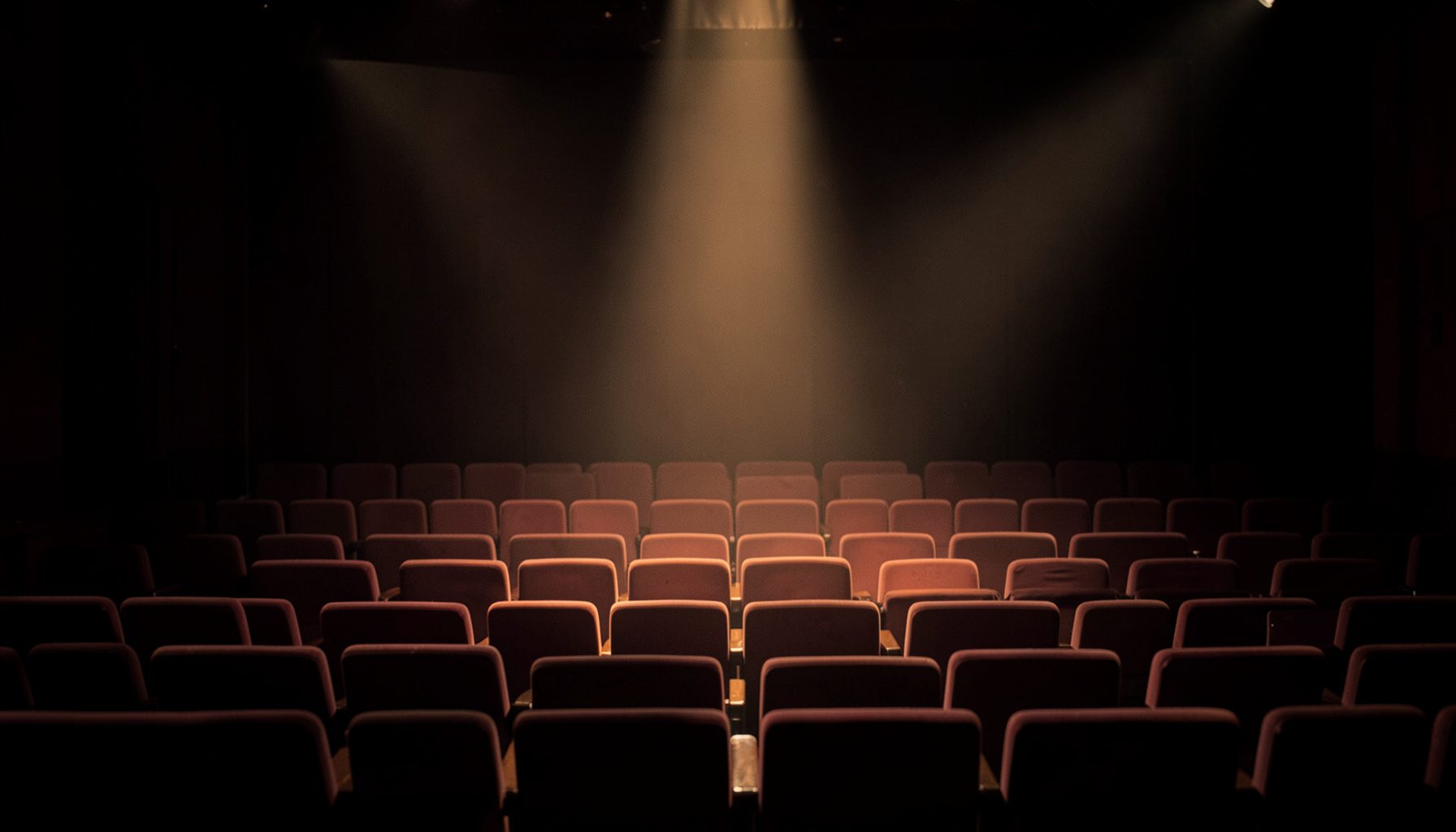
How Lighting Design Shapes a Play's Emotional Arc
Every production carries a second script, written in light rather than dialogue. The lighting designer decides what the audience is allowed to see clearly and what is left in shadow, when the room warms and when it cools, and where the mood breaks. Those choices accumulate into an emotional arc that a director can feel in the rehearsal room and an audience registers without being told. Learn more about 甄嬛传 播出十周年 演员现状盘点.
This is why lighting design is more than decoration. It can turn a domestic argument into something tender or predatory, make a confession feel protected or exposed, and tell a story's ending before a single line is spoken. When Kelly Kleiman and Jonathan Abarbanel discuss a production on their podcast, the lighting is often the quiet reason a scene works, and when it fails, the failure is just as visible.
Reading the Room Before the Curtain
A lighting designer arrives early, plots the space and tests the rig long before the actors do. Focals, colour, haze and the position of every lamp become a kind of map of the show's intentions. In Melbourne, audiences often queue at a laneway café before an Arts Centre Theatre matinee, unaware that the warm wash they eventually sit inside was chosen weeks earlier, often after arguing with the director about a single scene.
Several common approaches carry distinct emotional signals, and the choice between them shapes how a story reads.
| Lighting approach | Emotional signal | Strongest use |
|---|---|---|
| Candle-low amber side light | Warmth, secrecy, intimacy | Confessionals and family interiors |
| Flat, even front wash | Documentary neutrality | Comedy, reportage, farce |
| Saturated colour shift | Sudden pressure, unreliability | Turning points, unstable narrators |
| Hard shafts through haze | Judgement, restraint, surveillance | Interrogation, institutions, captivity |
| Total blackout and re-light | Pause, rupture, breath | Act breaks, silences, endings |
The best designers do not simply pick a look and hold it. They plant a shift early, often in a scene the audience barely registers, so that the final image lands as consequence rather than surprise.
Shadow as Interior Dialogue
Side light is the oldest trick in the room, and still the most expressive. A face lit from below by a single practical suggests something concealed; the same face in clean crossfire can look honest. Shadows do not merely fall across a character, they externalise interior pressure, turning a clenched silence into a visible object.
Australian directors know this well. A scene of two siblings in a suburban kitchen can be played under a hard, downward source until one of them moves out of it, and the room itself performs the confession. At the Adelaide Festival, where venues such as the Scott Theatre stage unfamiliar material, designers frequently use shadow rather than colour to establish unfamiliarity in a foreign story.
The critic's eye catches the moment this collides with the writing. A production can be well lit and still feel obscure if every face is evenly available, because the audience loses the chance to guess what a character knows.
Colour Temperature and the Rhythm of a Scene
Warm light flatters and softens; cool light flattens and sharpens. The interplay between the two sets a tempo. Designers in Sydney often build a scene around the Harbour Bridge glow through a high window, while Brisbane Festival productions at South Bank play the late sun across the river against floodlit towers, giving an outdoor stage a natural two-act structure.
Technical conditions shape these palettes too. Older Australian houses still carry tungsten rigs with a warm, forgiving glow, whereas newer venues such as Sydney's Wharf Theatre at Walsh Bay rely on programmable fixtures that can shift between two colour temperatures in a fraction of a second. That speed changes the arc: a scene can now dissolve into a new emotional register in the time it takes an actor to cross the stage.
Winter light in Australia also arrives early, often by half past five, which affects how a designer reads a dawn or a dusk cue.
Blackout, Pause and the Limits of the Room
A blackout is punctuation. When the house goes dark at the wrong moment, tension collapses; when it lands after a line that hangs in the air, the audience feels the weight of what was said. Silence and darkness are partners, and good designers treat the pause as a scored beat rather than an absence.
Constraints are part of this craft. Small Melbourne rooms and suburban halls may offer only a handful of circuits, so designers work with vertical space, gobos and reflections rather than spectacle. Regulations matter as well: state theatre safety codes in New South Wales and Victoria govern haze, pyrotechnics and emergency lighting, and every blackout has to be reconciled with a venue's exit lighting and evacuation plan.
Designers Who Carried the Arc
Names recur in Australian theatre credit lists because the work is invisible until it goes wrong. Lisa Young's long collaboration with the Melbourne Theatre Company, David Bonanny's festival work in Adelaide, and Hugh Van't Kruis's Sydney productions each treat lighting as structure, using the arc of light to carry what the plot cannot.
The same grammar operates in long-form television. A cast retrospective marking the tenth anniversary of the Chinese palace drama Empresses in the Palace tracks what its performers have become, while the series' own lighting — sunlit courtyards set against lamplit night interiors — shows how a visual language can hold an emotional arc across hundreds of episodes.
See the Design Working
Lighting is easiest to appreciate live, where the shift from amber to steel happens over your head and the audience's breath changes with it. Book a matinee, arrive early enough to watch the room settle, and listen for the moment the cues change the story. If you want more of this conversation, follow Dueling Critics through Apple Podcasts, Spotify or your usual feed, share an episode with the theatre friend who notices everything, and leave a review of the production you just saw.