When Tennessee Williams lets silence speak
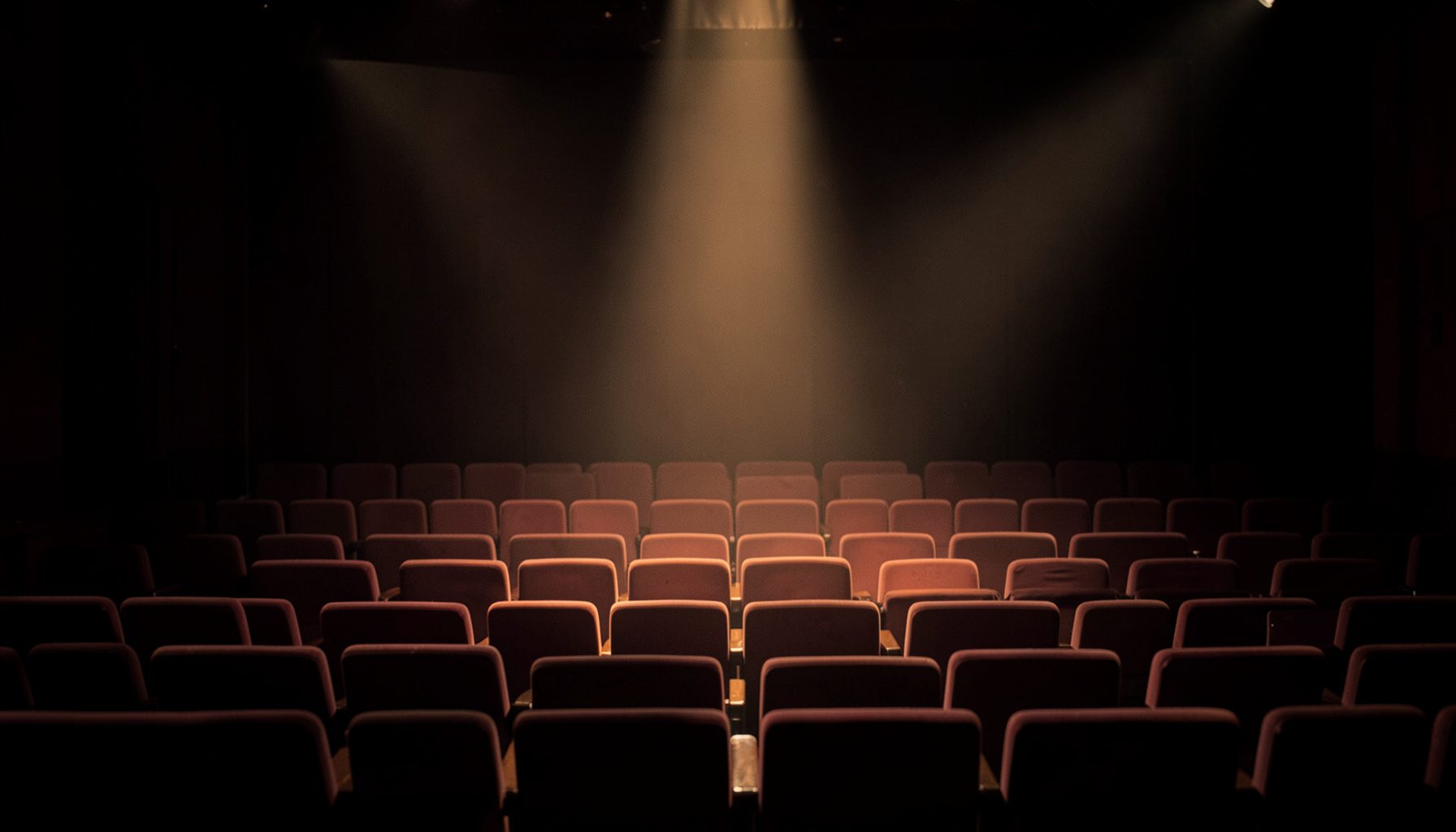
Timing in Tennessee Williams is rarely invisible. A held breath, a glance after a line, or a beat before an answer can alter a scene’s meaning. On stage, silence becomes physical: actors resist filling it, audiences lean toward it, and forbidden feelings briefly enter the light.
The pressure matters in plays shaped by shame, longing and self-deception. Blanche DuBois, Tom Wingfield, Maggie the Cat and other characters speak as if careful phrasing could protect them. A pause exposes the gap between what someone says and what the body knows.
The effect depends on more than a director’s stopwatch. It involves vocal rhythm, blocking, music, light and the responsiveness of a particular house. A pause that feels charged in a small Adelaide studio can register differently beneath the grand proscenium of a major Melbourne or Sydney theatre.
Australian viewers encounter these works amid a distinctive culture of city seasons, intimate venues, outdoor festivals and lively critical debate. Reading Williams here means attending not only to the words, but also to the local stage conditions that give those words their tempo.
The pause as stagecraft
Williams writes silence into the architecture of his plays. Stage directions often mark stillness, but the important silences live in the subtext: a character pauses because truth has arrived too quickly. In Cat on a Hot Tin Roof, the chatter at the birthday supper lets desire and dread sharpen beneath the noise rather than allowing the scene to settle.
In performance, silence changes power. A pause after an accusation can shift control from speaker to listener; a pause before a lie can make an audience anticipate it. Timing therefore works like choreography, even when nobody moves. Rushing flattens Williams’s tension, while pausing without purpose turns it into a trick.
Memory, desire and suspended time
Memory gives Williams’s pauses another direction. In The Glass Menagerie, Tom’s narration frames the action as recollection, so a still moment suggests that the past is being reconstructed rather than simply repeated. The audience sees memory as a dramatic medium, uncertain which detail has been illuminated and which withheld.
A Streetcar Named Desire offers a different model. Blanche’s voice initially floods a scene, but stillness around Mitch makes her hope more exposed. The more she performs desire as an arrival, the more devastating a small hesitation becomes. Williams turns a neutral gap into a pressure chamber where loneliness, status and violence collide.
Laughter, breath and audience voltage
Williams mixes high comedy with brutal feeling, and the pause often decides which arrives first. A deadpan line can invite amusement; a beat afterward can reveal the ache beneath it. Comedy writers and performers often discuss rhythmic comedy timing when explaining why a joke lands; Williams’s stage pauses work similarly because the line and the interval around it carry different kinds of energy.
Breath is part of the score. In a heated exchange, an inhale can carry more information than a raised voice, while a collective audience exhale can register recognition. Sound design should not over-dramatise these moments, but a little room tone or soft music can help the pause feel inhabited rather than removed.
| Work | Dramatic situation | Effect of the pause |
|---|---|---|
| A Streetcar Named Desire | Blanche waits for Mitch to answer | Hope becomes exposed and power shifts |
| Cat on a Hot Tin Roof | Maggie’s response is withheld amid family conflict | Desire surfaces beneath domestic obedience |
| The Glass Menagerie | A recollection settles around an absent figure | Memory is revealed as selective interpretation |
Williams across Australian stages
Australian directors work across striking contrasts: Belvoir St Theatre’s rooms in Surry Hills, Sydney Theatre Company’s Roslyn Packer Theatre in Walsh Bay, Melbourne Theatre Company’s East Brunswick home and the temporary spaces of Adelaide Festival. An intimate room magnifies a bodily tremor; a large hall lets a withheld word echo.
The wider market combines subscription seasons, independent companies, city-to-city tours and winter festivals. Productions may move from a small Melbourne venue to a grand Sydney house, while outdoor work adds wind, heat and passing traffic to the challenge of concentration. Local conditions become part of the rhythm, and each audience makes the silence its own.
Directing the space between words
Directing the pause begins with listening rather than counting. An actor’s inner action must remain legible without explanatory gestures, and a director must judge when silence has become dramatic rather than merely slow. Cutting away to an empty stage can suggest avoidance; remaining with a face lets the audience register thought arriving in real time.
Stage timing cannot be transferred directly from film. Editing can remove a wait, while live performance makes every second irreversible. A missed laugh changes the next beat, and shared silence can tighten as the house becomes more attentive. The strongest pauses feel inevitable in retrospect, even when performers are making tiny choices within them.
Let the silence remain unfinished
The dramatic pause in Williams is not an ornamental silence. It is a space for contradiction: shame beside appetite, politeness beside panic, memory beside the wish to be seen. When handled with discipline, the audience does not hear an empty interval; it experiences a character deciding what not to say.
Choose a live Williams production and arrive with time to settle before the first scene. Notice how the performers hold their breath, how the room changes at the end of a joke and how silence alters the balance between bodies. Book the performance, stay for the final silence, and let the unfinished feeling remain with you.