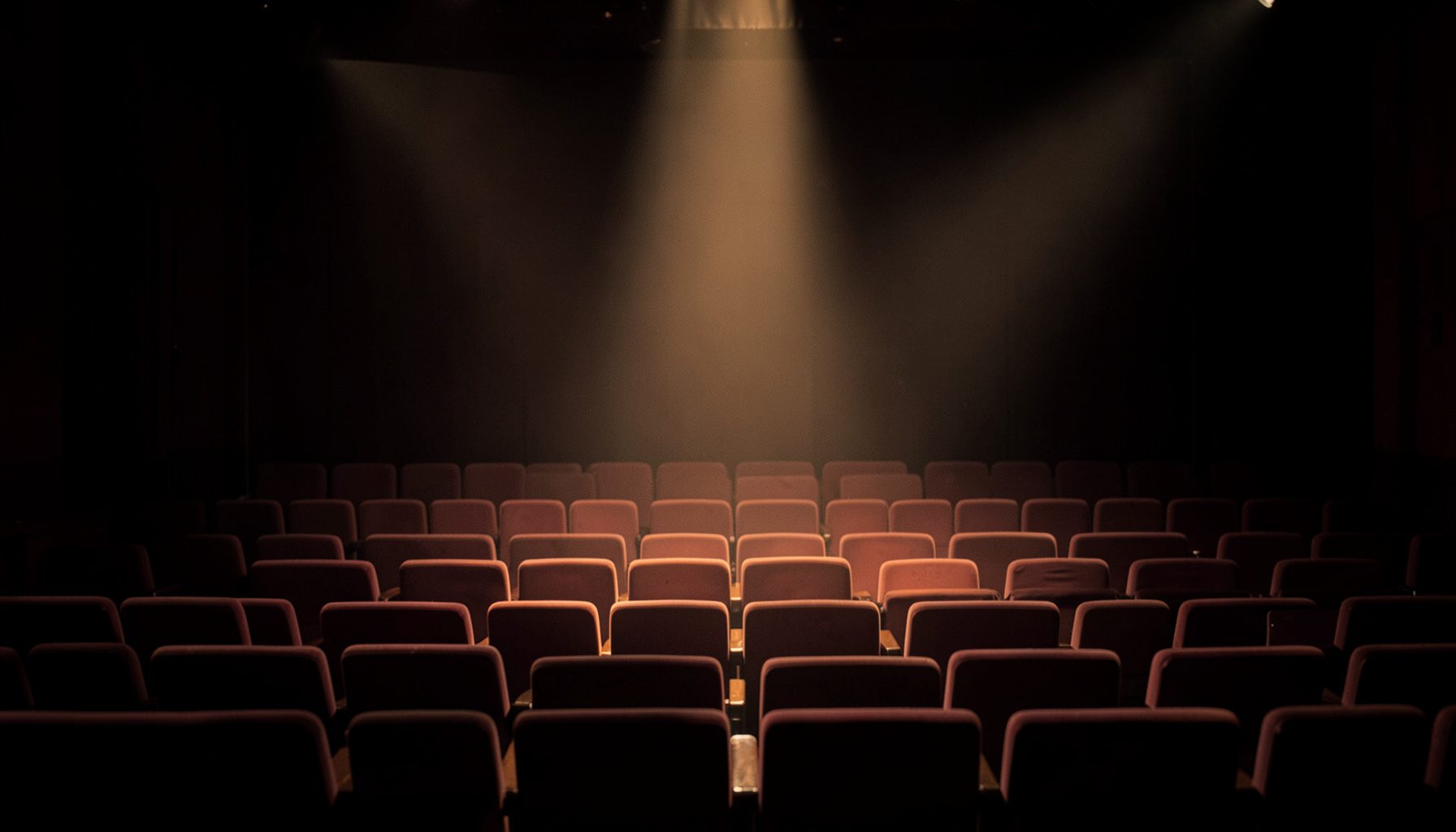
The art of the stage whisper: when softness commands attention
A stage whisper is not simply speech made quietly. It is a precisely shaped use of breath, vowel colour and attention that makes a small sound feel inevitable in the drama. Softness, in this sense, commands attention because the performer refuses to overwhelm it.
The effect depends on acoustic reality. A murmur that works in a small studio can disappear in a 1,500-seat auditorium, while a carefully aimed phrase can cross a vast room without a microphone. Actors therefore treat silence as an instrument, not an absence of performance.
Such quiet also changes the audience. People lean forward, hold their breath and listen for details that normally disappear beneath conversation. That shared alertness rewards concentration, revealing how much theatre can communicate through timing, placement and vocal restraint.
For Australian theatre-goers, the contrast is especially vivid where city noise forms part of everyday life. A tram rattling through Melbourne’s central business district, a phone buzzing during a matinee or a late train outside a Sydney venue can make concentrated listening feel like an active choice.
Why softness carries so far
Physical scale matters, but so does intention. An actor lowering the volume while keeping the final consonant crisp gives the words a clean edge. If the mouth collapses, the line may become vague; if the breath supports every syllable, it can remain intelligible and emotionally exact.
The most effective stage whisper usually carries a trace of the character’s inner pressure. A frightened person may barely form the words, while someone exerting control can speak almost inaudibly. The audience hears both the message and the effort required to deliver it.
The discipline behind near silence
Actors achieve this through placement, vowel shaping and economy. Rather than forcing a whisper into a tiny, hard sound, they may speak on the outgoing breath or direct it towards a particular section of the auditorium. Pauses then carry the weight of unspoken thought.
Rehearsal is equally important. A director can ask for an audible conversational level, a breath that never becomes a gasp, and a rule that no line arrives early. These constraints build a shared acoustic world; on the night, tiny departures from them register sharply.
Whispers across different dramatic forms
A whisper can signal intimacy, menace, uncertainty or comic conspiracy, so its theatrical meaning depends on context. These distinctions help explain why a hushed delivery should not be treated as a single, uniform technique.
| Delivery | Likely effect | What can weaken it |
|---|---|---|
| Intimate breath | Closeness and vulnerability | Forcing the sound into the throat |
| Contained urgency | Danger held in check | Clipped articulation that turns pressure into panic |
| Ironised softness | Menace beneath civility | Exaggerated menace that removes ambiguity |
| Shared hush | Complicity with the audience | Losing the timing that makes silence communal |
| Projected whisper | An unnatural sense of vast quiet | Weak breath support or audible vocal strain |
Different styles use these effects differently. A naturalistic actor may preserve the rattle of an uncertain breath, whereas a musical-theatre performer often needs a clearer melodic line. The underlying principle remains: softness works when it has a controlled edge.
Chicago voices and Australian stages
Dueling Critics’ Chicago theatre reviews show how performers use vocal restraint in wildly different spaces, from intimate storefronts to large musical stages. Across that range, quiet can create intimacy in one room and an atmosphere of collective dread in another.
Australian companies encounter comparable contrasts. At Sydney’s Roslyn Packer Theatre or the State Theatre in Melbourne, even a whisper must negotiate substantial architecture and an audience accustomed to the bustle of an interval. The challenge is acoustic without becoming a contest with noise.
Quiet work in the Australian live performance market
Subtlety can be risky in Australia’s live performance sector. Touring productions must accommodate different acoustics, regional theatres may offer less control over ambient sound, and audiences may have travelled through traffic or rush-hour crowds. A whisper must therefore be calibrated rather than copied from a successful production elsewhere.
Australian censorship operates largely through state and territory laws rather than a single national theatre code. Advertising material can still be assessed under the federal Classification Act 2013, even though live performances sit outside the formal film-classification process. Directors should establish consent and content boundaries before rehearsal; compliance should support artistic risk rather than suppress it.
The next time a performance drops to a murmur, stay with it. Notice where the breath lands, how the pause changes and what the actor makes you hold in your own breath. Then share your reading with fellow theatre-goers, because the quietest performances often deserve the fullest conversation.