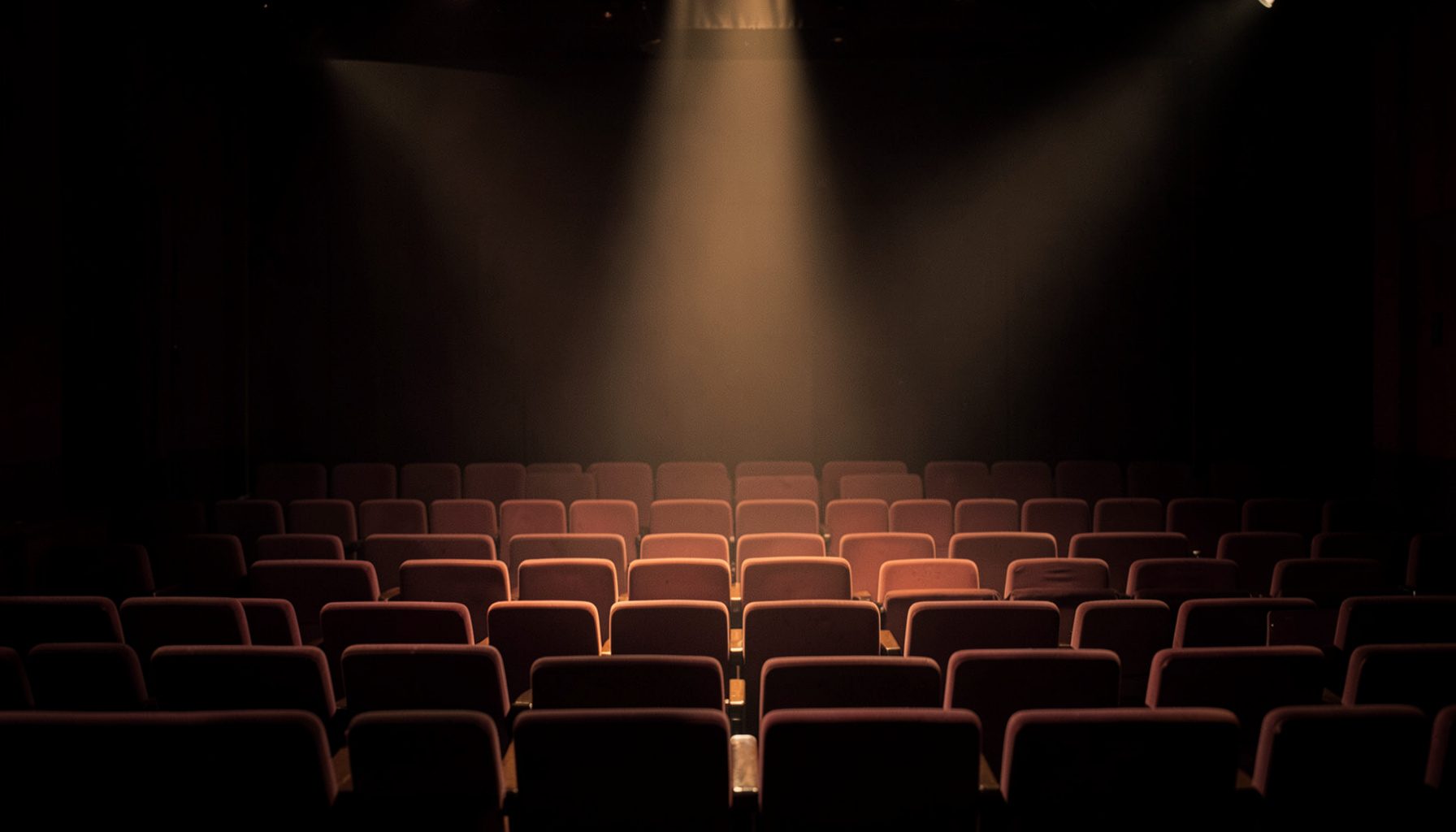
The Challenge of Staging Theatre in a Virtual Reality Headset
A play performed inside a virtual reality headset occupies an unstable space between theatre, cinema and interactive game design. The audience may be sitting alone in a lounge room, yet the performance still depends on presence, timing, bodies and the shared tension of live action.
For Australian theatre-makers, this form raises practical questions alongside artistic ones. A production designed in Melbourne may reach viewers in Perth or regional Queensland, but its success depends on internet reliability, equipment access and whether the intimacy of a theatre can survive the distance between performers and spectators.
| Element | Conventional Theatre | VR Performance |
|---|---|---|
| Audience position | Fixed or semi-fixed seat | User-controlled viewpoint |
| Performer contact | Shared physical space | Digital avatar, capture or live feed |
| Timing | Controlled by the company | Affected by loading and network delay |
| Attention | Directed by lighting and staging | Vulnerable to distraction and exploration |
| Dramatic space | Built set or location | Rendered, simulated or scanned environment |
The Vanishing Stage
A conventional stage gives the director control over sightlines. A headset removes that certainty. The viewer can look behind a character, examine a prop or turn away during a crucial exchange, making every moment of dramatic emphasis more fragile.
This creates a different kind of mise-en-scène. Sound, vibration, movement and spatial design must guide attention without appearing to command it. A virtual doorway might be more effective than a spotlight, while a pause behind the audience can carry greater force than a projected close-up.
Presence Without Proximity
Live theatre gains energy from physical co-presence: the small cough in the auditorium, the performer adjusting their breath and the audience reacting as a group. Virtual reality can imitate some of this immediacy, but it cannot fully reproduce the social pressure of sitting among strangers.
Creators can respond by making the audience part of the fiction. A spectator may be addressed as a witness, given a role in a ritual or placed inside a performer’s memory. Gary Zidek’s commentary is useful context for thinking about how critical language changes when theatrical presence is mediated by technology.
Designing For The Body
A headset is an intimate object. It covers the eyes and ears, alters balance and can cause nausea if visual movement conflicts with the body’s stationary position. Directors therefore need to treat comfort as part of dramaturgy rather than an afterthought.
Sudden acceleration, narrow corridors and simulated falling may be dramatically powerful, yet they can exclude people with vestibular conditions or limited mobility. Clear content notes, adjustable intensity and seated options are essential, especially for companies hoping to reach schools, older audiences and disability communities.
The Problem Of Performance Capture
Actors working for a virtual production may perform in a studio covered with tracking markers, in a motion-capture suit or through a live camera feed. Each method changes the actor’s expressive vocabulary. A tiny gesture may become huge in a digital avatar, while a carefully controlled facial expression can disappear beneath a headset display.
Rehearsal also becomes more technical. Performers must learn where virtual objects exist, how an unseen audience might move and how to maintain rhythm when the system introduces delay. The director becomes part theatre-maker, part interface designer and part troubleshooter.
Storytelling Beyond The Frame
Immersive theatre offers freedom from the rectangular proscenium, but freedom can weaken narrative focus. If every corner contains a possible discovery, the audience may miss the central scene. If the environment is too empty, the experience can feel like a technology demonstration rather than a play.
The strongest scripts use exploration selectively. A branching structure can reveal character through choice, while a repeated location can gather emotional meaning. The audience does not need infinite agency; it needs a convincing reason to move, wait, listen or return.
Australia’s Digital Distance
The Australian market adds a distinctive logistical challenge. A Sydney company can stream to Melbourne, but a viewer in regional Western Australia may face latency, limited bandwidth or difficulty finding a headset locally. NBN performance varies by location, and ticket buyers may hesitate before spending on equipment for a single production.
Touring companies also need to consider Australian time zones, school-holiday schedules and the established habits of the local theatre audience. A VR work offered during the Adelaide Fringe might attract adventurous early adopters, while a production aimed at mainstream subscribers may need a headset-loan programme and an in-person orientation.
Finding Theatrical Stakes
Virtual reality becomes theatrically persuasive when the technology serves a human conflict. The headset should intensify a character’s isolation, make memory unstable or place ethical responsibility in the spectator’s hands. It should not simply provide a larger set or a decorative 360-degree view.
Critics and audiences can help define the form by discussing its failures as carefully as its innovations. Useful questions concern pacing, acting, access, spectatorship and emotional consequence. A virtual production earns its place in theatre when people remember what it made them feel, not just what the software allowed them to see.
Support adventurous theatre by seeking out immersive productions, attending artist talks and sharing thoughtful reviews with local audiences. The future of headset-based performance will be shaped as much by engaged spectators as by the technology itself.