From Gaslight to LED: How Stage Illumination Changed Theatre
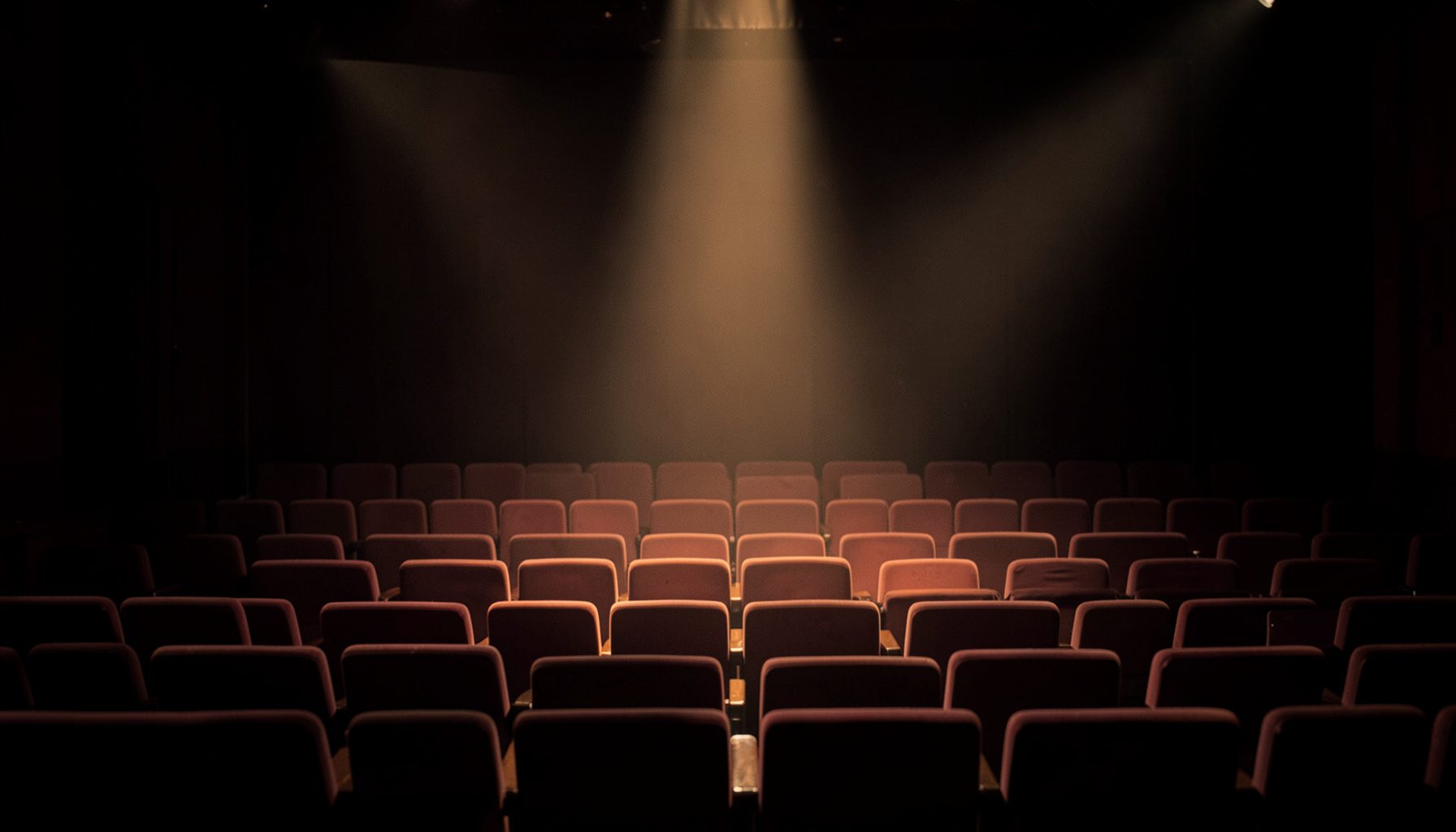
Theatrical lighting has always done more than make performers visible. It shapes attention, establishes time and place, controls rhythm and can turn a bare stage into a palace, a street or an unsettled dream. Every major change in lighting technology has expanded what directors, designers and performers can ask of an audience.
In the gaslight era, illumination was part of the danger and spectacle. Open flames, heat and fumes made theatres vulnerable, while dimly lit auditoriums helped create the modern separation between audience and stage. Electric light later offered greater control, allowing designers to build atmosphere with precision rather than relying on a general wash.
Today, LED fixtures can shift colour, intensity and beam shape almost instantly. They use less power, produce less heat and are easier to programme than many traditional lamps. Yet the best lighting design still depends on dramatic judgement. A technically advanced fixture does not automatically create a meaningful theatrical image.
For Australian audiences, the evolution is visible across large commercial venues in Sydney and Melbourne, touring houses in Brisbane and Perth, and intimate independent spaces in Adelaide. The technology may be global, but its practical use is shaped by local architecture, budgets, energy costs and the demands of a touring market.
| Era | Main light source | Artistic possibilities | Practical limitation |
|---|---|---|---|
| Gaslight | Open gas flames | General illumination and dramatic dimming | Fire risk, heat and fumes |
| Limelight and arc light | Heated lime or electric arc | Strong focus and striking effects | Difficult handling and inconsistent colour |
| Incandescent and halogen | Electrically heated filament | Reliable dimming and warm tones | High heat and energy consumption |
| Automated discharge fixtures | Metal halide and related lamps | Movement, gobos and saturated colour | Bulb maintenance and slower fade response |
| LED systems | Light-emitting diodes | Fast colour mixing, programming and low heat | Colour quality and control complexity vary |
Gaslight Made Darkness Dramatic
Before electric lighting, theatres commonly used candles, oil lamps and gas jets. Gaslight created a brighter, more consistent stage picture, but it remained a volatile presence. Flames could ignite scenery, costumes and curtains, and the air became hot and unpleasant during a performance.
The limitations encouraged a new visual language. A gas-fed row of lights along the front of the stage, often called the footlights, flattened faces and scenery into a frontal image. Side and overhead illumination were less developed, so designers relied heavily on painted scenery, costume and the actor’s physical presence to suggest depth.
Electricity Changed the Stage Picture
Electric light transformed theatre safety and control. Designers could dim a scene, isolate a performer and create a sharper difference between stage and auditorium. The shift helped establish lighting as an independent artistic department rather than a basic service for visibility.
Incandescent lamps became the workhorses of theatres for much of the twentieth century. Their warm colour suited skin tones and interiors, while fresnel and profile lanterns allowed designers to soften, shape or concentrate the beam. Halogen improved brightness and consistency, although the fixtures still consumed substantial electricity and generated intense heat.
In Australia, that heat matters in venues already managing summer conditions and heavy air-conditioning loads. A Melbourne theatre staging a matinee in January, or a touring production moving through Brisbane, may benefit from every reduction in heat above the stage. Lower fixture temperature can also make cramped backstage conditions more tolerable.
Colour Became a Dramatic Instrument
Early electric systems often depended on gels placed in front of lamps. These coloured sheets could fade, melt or require manual changes, but they gave designers a vocabulary of mood: amber for memory, blue for night, green for unease. The audience might not consciously identify the filter, yet it could alter the emotional temperature of a scene.
Later automated fixtures introduced rotating gobos, moving beams and richer colour systems. Their effects became especially visible in concerts and large musicals, though serious theatre designers have often used them with restraint. A single precise shaft of light can carry more dramatic force than a constantly changing display.
Lighting also contributes to the public image of performers beyond the stage. A profile of an artist’s return, such as this comeback profile, shows how presentation, identity and audience expectation intersect. Theatre uses the same principle through silhouette, exposure and the decision to reveal or withhold a face.
LEDs Reframe Efficiency And Control
LED fixtures have made colour mixing, rapid cue changes and low-power operation widely accessible. A designer can move from a pale dawn to a saturated red without sending a crew member to replace a gel. Many units also offer wireless control, pixel effects and programmable movement.
The Australian theatre economy gives these benefits particular weight. Touring productions need equipment that is durable, adaptable and relatively light, while smaller companies often hire fixtures for short seasons rather than owning a full inventory. Lower energy use can support venues facing rising electricity costs, though purchase prices, software training and repair arrangements remain part of the calculation.
Safety regulation continues to shape practice. State and territory systems, including the Work Health and Safety Act 2011 in New South Wales, place duties on employers and venue operators to manage electrical, fire and workplace risks. LED technology reduces some hazards, but rigging, cabling, access equipment and crowded technical environments still demand disciplined procedures.
The Critic Sees What Technology Cannot
A lighting change becomes theatrically valuable when it clarifies a relationship, alters a power dynamic or makes time feel unstable. A designer may use an old tungsten lamp for its familiar warmth, a bare practical light for intimacy or a harsh LED source to deny the audience comfort. Progress does not require abandoning older tools.
This is where criticism remains essential. Reviews and discussions can ask whether a production’s visual choices deepen its ideas or simply display available equipment. The conversations collected by theatre criticism are part of that larger process: observing how design works in relation to acting, text, space and spectators.
The evolution from gaslight to LEDs is therefore a history of changing theatrical attention. Technology expands the palette, but interpretation gives the light its meaning. Explore a local production with its lighting in mind, then follow Dueling Critics for more conversations about the choices that make theatre visible, felt and memorable.