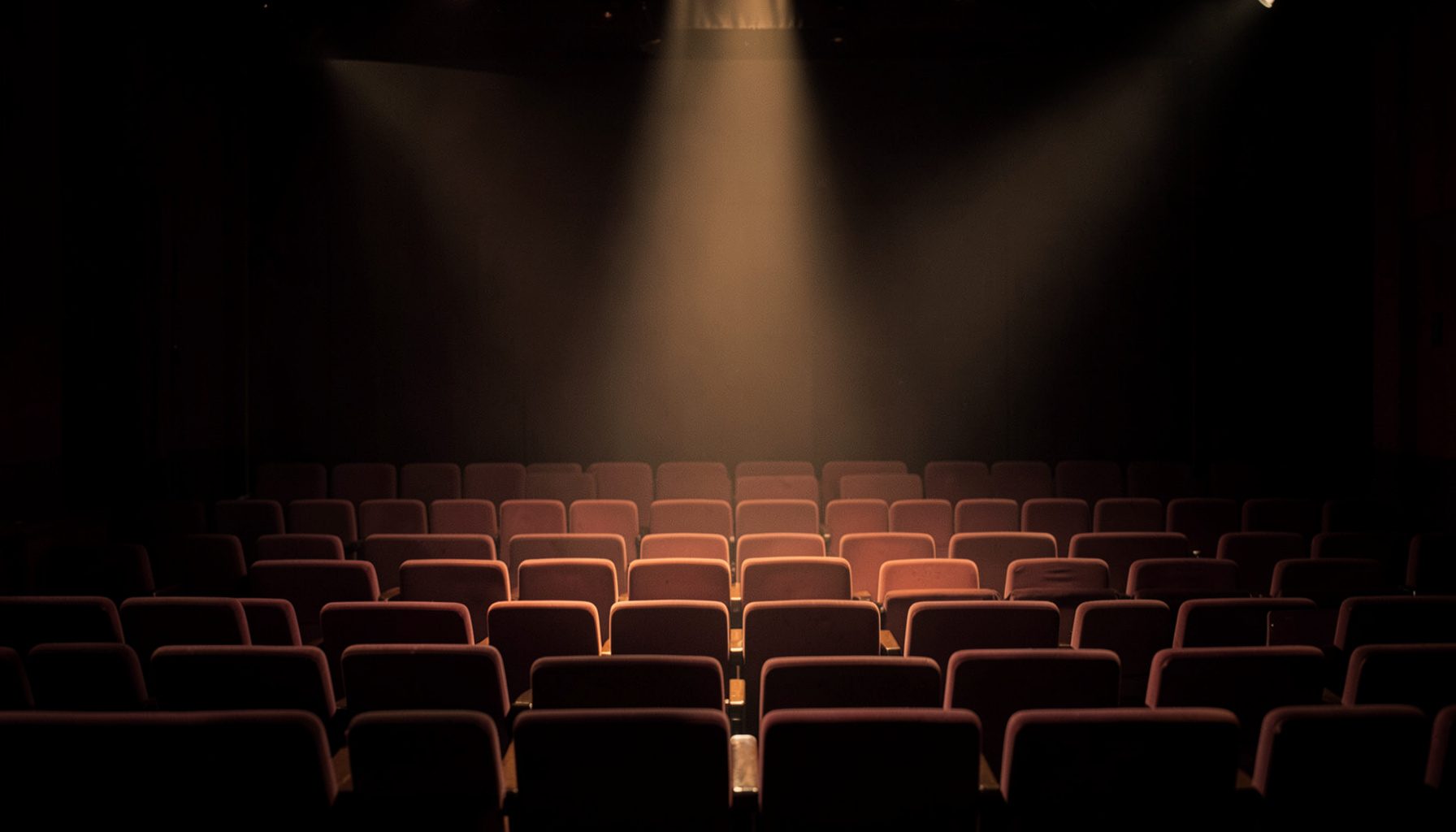
The Ghosts Of Chicago Theater: Haunted Venues And Their Stories
Chicago’s theatres carry more than scripts, scenery and applause. Their walls preserve memories of fires, sudden deaths, vanished performers and audiences who never quite seem to leave. Some stories are supported by public records; others survive through backstage whispers, late-night sightings and the useful uncertainty between history and folklore.
For Australian theatre-goers, these tales may recall the atmosphere of Melbourne’s Princess Theatre, Sydney’s Theatre Royal or Adelaide’s historic Her Majesty’s Theatre. A haunted venue is rarely frightening simply because something supernatural might be present. It is unsettling because performance spaces already blur the boundary between the living and the imagined.
Why Theatres Attract Ghost Stories
A theatre is designed for illusion. Curtains conceal entrances, lighting alters faces and actors repeatedly summon people who are absent, dead or fictional. When a building has operated for decades, the distinction between a remembered performance and a reported haunting can become wonderfully unstable.
Chicago’s theatrical history makes especially fertile ground for such stories. The city’s downtown playhouses, vaudeville halls and neighbourhood stages have witnessed industrial accidents, artistic triumphs, financial collapses and changing audiences. Each era leaves a residue, whether it takes the form of a documented tragedy or a story told during a company’s first rehearsal.
The Iroquois Theatre’s Unquiet Memory
The most powerful ghost story in Chicago theatre begins with a catastrophe rather than a sighting. On 30 December 1903, the Iroquois Theatre fire killed more than 600 people during a matinee performance. The disaster exposed serious failures in theatre safety, including inadequate exits and dangerous stage conditions, and it changed public expectations of fire prevention.
The building no longer exists, yet the site remains part of the city’s theatrical memory. Accounts of cold spots, apparitions and uneasy feelings around the former venue cannot be verified as supernatural evidence. They can, however, be understood as expressions of collective grief. The Iroquois is a reminder that a theatre’s most persistent ghost may be the historical fact audiences refuse to forget.
The Auditorium And The Biograph
The Auditorium Theatre, designed by Louis Sullivan and Dankmar Adler, has accumulated the kind of grandeur that invites legends. Performers and visitors have reported strange noises, shadowy forms and an impression of movement in otherwise empty areas. Such accounts are common in old performance buildings, where ventilation, timber, plumbing and vast backstage spaces can create convincing sounds and silhouettes.
The Biograph Theater carries a darker association through the 1934 shooting of gangster John Dillinger outside its entrance. It is not a theatre ghost story in the conventional sense, but the venue’s history demonstrates how quickly a public building becomes a site of folklore. The queue, the screen and the street outside acquire a narrative that continues long after the original witnesses are gone.
Chicago Hauntings At A Glance
Stories differ in certainty, scale and emotional force. The following comparison separates documented events from traditions that belong to oral theatre culture.
| Venue or Site | Historical Association | Haunting Tradition | Why It Endures |
|---|---|---|---|
| Former Iroquois Theatre site | 1903 theatre fire | Uneasy presence and apparitions | Collective remembrance of mass loss |
| Auditorium Theatre | Historic performances and grand architecture | Noises, shadows and backstage sightings | Age, acoustics and theatrical atmosphere |
| Biograph Theater | Dillinger shooting in 1934 | A lingering criminal aura | Famous event tied to a recognisable place |
| Chicago Theatre | Vaudeville, cinema and live performance history | Figures and sounds in empty spaces | Continuous public use and layered memories |
| Neighbourhood playhouses | Local productions and changing companies | Former performers “returning” | Intimate stories passed between staff |
The value of these accounts lies less in proving that spirits exist than in examining what a community chooses to preserve. A ghost may represent a lost performer, an unsafe working condition or an audience’s attachment to a building that redevelopment threatens to erase.
Folklore Needs A Critical Ear
The best theatre criticism can hold two ideas together: a story may be factually uncertain and culturally revealing. Research into architecture, labour, tragedy and local memory gives a haunting its context. Without that context, a spooky anecdote can flatten a complicated history into entertainment.
Readers interested in the relationship between cultural memory and criticism can browse arts writing archives alongside theatre reviews. That wider perspective helps distinguish a documented event from a repeated rumour while still recognising why the rumour has artistic and social power.
What Australian Audiences Recognise
Australian audiences understand the special atmosphere of heritage theatres. The Princess Theatre in Melbourne, the Theatre Royal Sydney and Adelaide’s Her Majesty’s Theatre operate within cities where old architecture sits beside dense commercial development. Stories about resident spirits flourish because these buildings remain active rather than becoming sealed museum pieces.
The local market also shapes how haunting is presented. An Adelaide Fringe performer may use a ghost story as an experiment in site-specific theatre, while a Melbourne company might frame a historic venue through archival projection and oral testimony. Sydney audiences, accustomed to theatre seasons competing with festivals, concerts and streaming entertainment, often encounter the past through sharply contemporary performance forms.
These examples echo Chicago’s situation. A haunted venue is valuable because it creates a conversation between earlier audiences and the people occupying the seats now. The supernatural language is optional; the historical tension is not.
The Living Theatre Behind The Legend
Backstage workers often become the real custodians of venue folklore. Front-of-house staff learn which corridor creaks, stage managers know which dressing room is avoided after midnight and actors inherit stories from departing companies. The tale changes with each retelling, much like a script revised in rehearsal.
That process also reveals theatre’s vulnerability. Buildings close, companies relocate and redevelopment removes the physical evidence that allowed a story to survive. When a venue disappears, its ghost can become more durable than its programme archive, because memory travels cheaply and adapts easily.
Let The Stories Shape Your Next Night Out
Approach Chicago’s haunted theatres as places of performance, labour and remembrance before treating them as paranormal attractions. Read the history, listen for the competing versions and notice how architecture directs your attention. The most compelling apparition may be the echo of an audience that once believed the night would continue forever.
Explore theatre criticism, venue histories and production commentary with Dueling Critics, then bring that curiosity into the auditorium. Whether the next performance takes place in Chicago, Melbourne, Sydney or Adelaide, let the building’s past become part of what you see onstage.