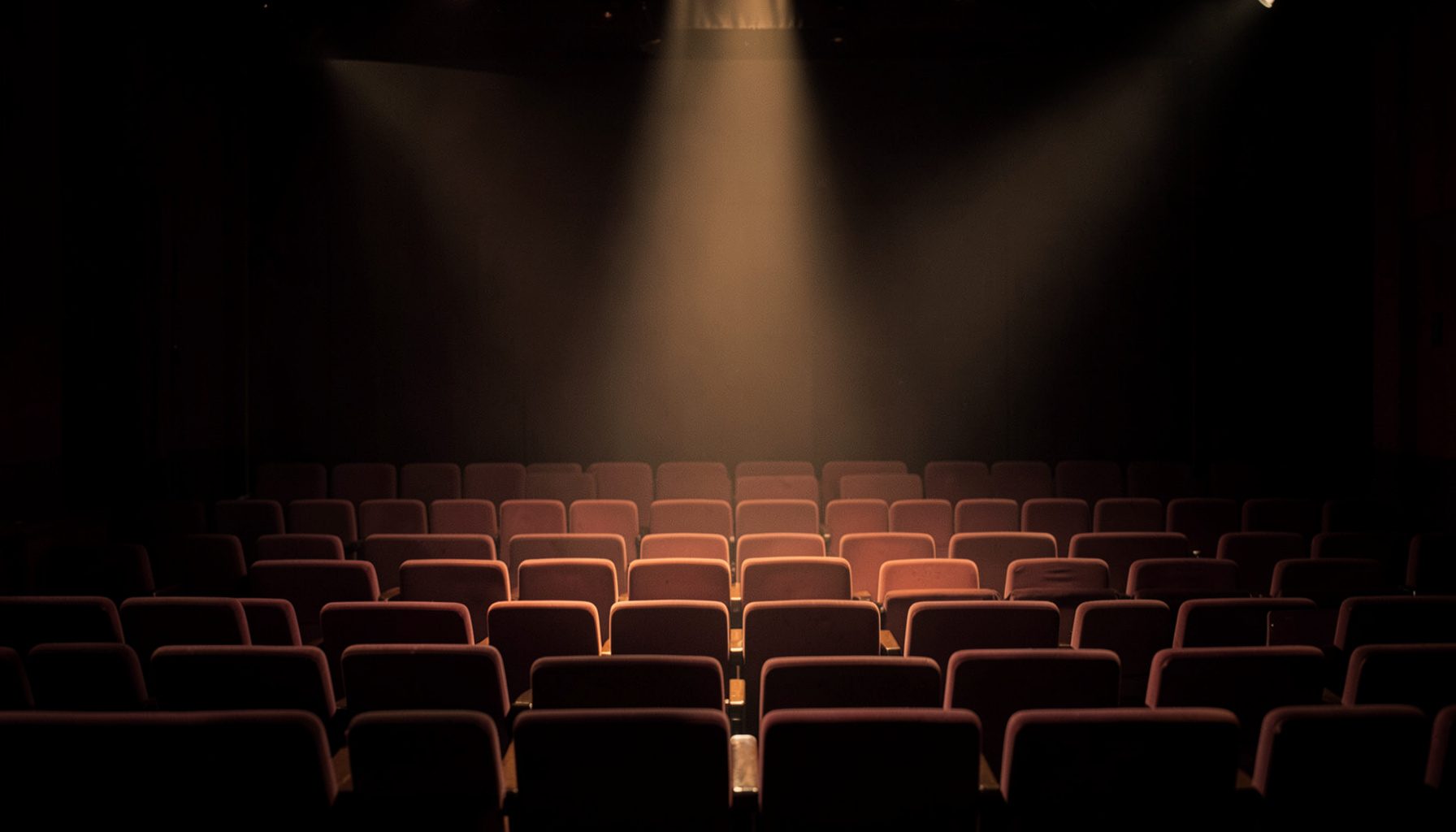
The intermission debate: keep or ditch the mid-show break
The intermission, known to Australian audiences as the "interval," has been a theatrical fixture for over a century. From the grand stages of the Sydney Opera House to intimate venues in Melbourne, the mid-show break offers audiences a moment to pause, reflect, and refresh. Yet in an age of immersive experiences, some artists are questioning whether this pause remains necessary.
Experimental works and contemporary dramas increasingly eschew the traditional break. Productions from Melbourne Theatre Company and Belvoir St Theatre in Sydney have experimented with uninterrupted runs, arguing that narrative momentum is better preserved without a 15-20 minute gap. Traditionalists counter that the interval serves essential practical and social functions.
At Dueling Critics, Kelly Kleiman and Jonathan Abarbanel have debated this issue across their podcast. The answer, like most things in theatre, is rarely simple. Cultural expectations, venue logistics, and the production itself all determine whether an intermission enhances or detracts from the experience.
The historical roots of the intermission
The intermission was not designed for audience comfort but for practical necessity. In the 18th and 19th centuries, plays often ran for four or five hours, and costume changes, set transformations, and candle replacements required breaks. The Sydney Opera House, opened in 1973, was designed with spacious foyer areas to accommodate patrons during the interval, a feature now standard in Australian venues from the Capitol Theatre in Sydney to the Princess Theatre in Melbourne.
The interval persists because it serves multiple functions. It allows audiences to process complex narratives, particularly in works like Tom Stoppard's "Arcadia" or Andrew Bovell's "Speaking in Tongues." Queensland Theatre and State Theatre Company of South Australia have built reputations on producing such layered works, with interval programming that includes discussions, program notes, and live music.
Why Australian audiences value the break
Australian theatregoers have cultivated specific interval rituals that make the break anticipated. Pre-show and interval drinks at the theatre bar are practically a national custom, with venues like the Wharf Theatre in Sydney and the Malthouse in Melbourne often selling out of champagne and interval ice creams before the second act begins. The interval provides a chance to discuss the show with companions, debate plot twists, and people-watch in the foyer.
This social aspect matters in regional centres and suburban venues, where the theatre visit is often a special outing involving dinner, drinks, and a complete evening's entertainment. The interval allows the experience to breathe, transforming a show into an event. For many Australians, rushing through a performance without a break would feel incomplete.
The case for going intermission-free
Despite these traditions, compelling arguments exist for ditching the break. Immersive theatre companies argue that the intermission fractures narrative momentum. Sydney's version of Sleep No More and various Melbourne-based experimental collectives have demonstrated that audiences can remain engaged for 90 minutes without a break, particularly when the production is designed without one.
Contemporary playwrights are writing shorter, tighter works that don't require structural breathing room. A 90-minute play without intermission feels urgent and contemporary, aligning with modern entertainment pacing. When a show is well-crafted and performances are magnetic, pausing can feel like an interruption, breaking the hypnotic spell that live theatre casts.
Attention spans and the streaming era
The rise of streaming platforms has reshaped audience expectations. Viewers accustomed to binge-watching Netflix or Disney+ may have shorter tolerances for breaks, yet they expect content to justify its runtime. In theatre, this creates a paradox: audiences want to be immersed, but they want permission to use the restroom, check their phones, and mentally reset. The interval provides that permission without forcing the production to suffer.
Some producers have found creative solutions, incorporating shorter "intermissions" disguised as scene changes. The key is recognising that modern attention spans are different, much like the deliberate pacing required in video poker strategy, where players balance engagement with strategic pauses. The intermission, when used thoughtfully, becomes a tool rather than an obstacle.
Sound design and the modern theatrical experience
The role of sound design has evolved dramatically, affecting how we experience the interval. In Chicago, where Dueling Critics frequently reviews productions, sound designers create seamless sonic environments that make audiences forget they are in a theatre at all. The meticulous work catalogued in coverage of the-best-theatrical-sound-designs-of-the-last-decade-in-chicago-notes shows how immersive audio can maintain narrative tension without traditional breaks.
Australian sound designers, working with Sydney Theatre Company and Arena Theatre, are similarly pushing boundaries. When the soundscape is so enveloping that leaving the auditorium feels like leaving the world of the play, the case for the intermission becomes harder to make. Yet even the most innovative soundscapes cannot replace the human need for a breath, a stretch, and a chance to share the experience with a companion over a glass of wine.
Share your thoughts on the Dueling Critics podcast, leave a comment below, and tell us whether you prefer your shows with a break or without one. Subscribe to the show and join the conversation about the future of Australian and international theatre.