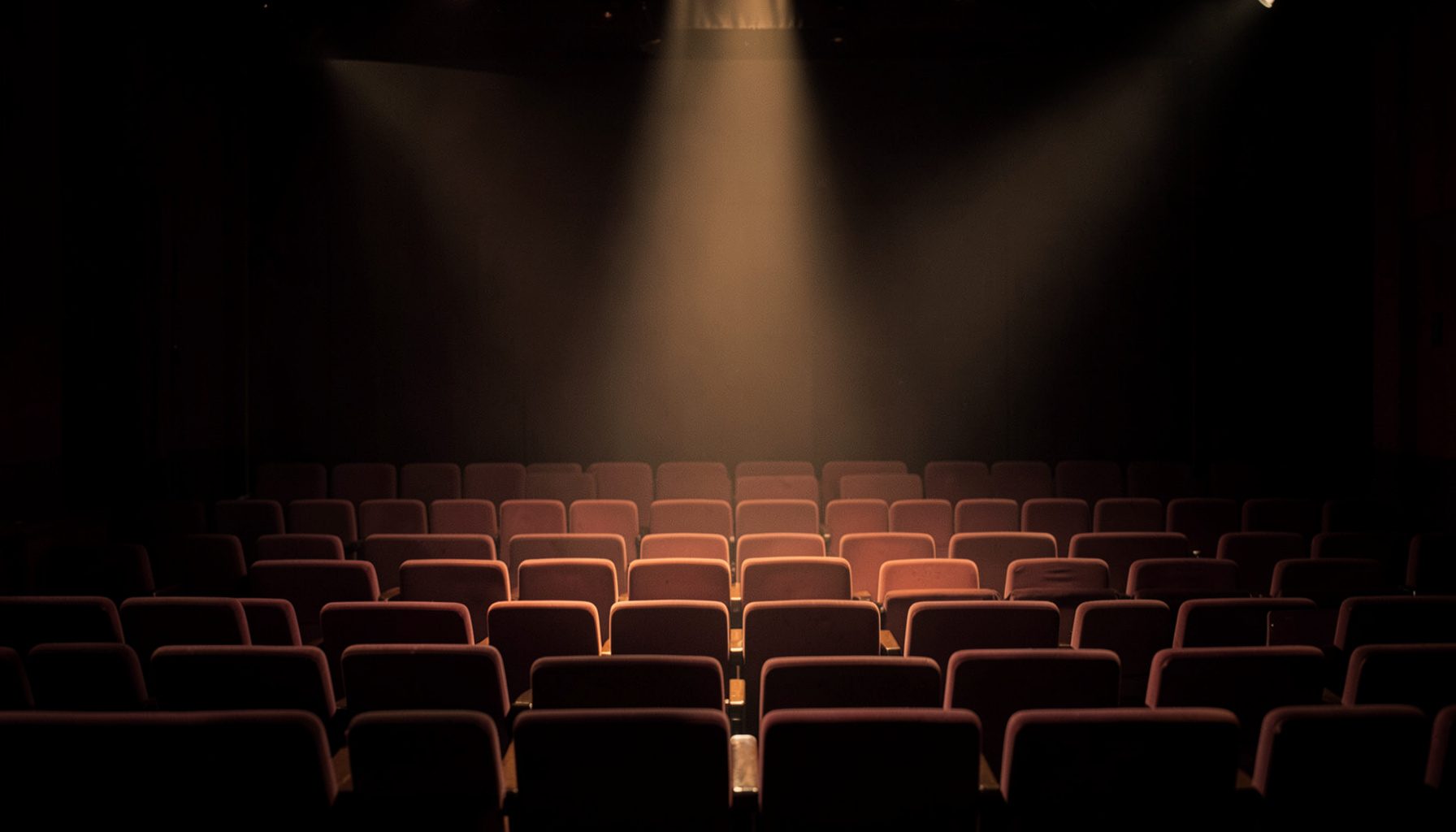
The Legacy of Chicago's Second City: From Comedy to Drama
Founded in 1959 on North Wells Street, Chicago's Second City became the global epicentre of improvisational comedy. Its approach—building scenes from audience suggestions, layering satire over character work, and trusting ensemble instincts—reshaped how performers thought about live storytelling. Within a decade, Second City had launched alumni who moved fluidly between sketch comedy and serious drama, proving that improv could anchor weighty theatrical work.
For audiences in Australia, the legacy of Chicago's Second City offers a useful lens for understanding how local stages have evolved. From touring companies that brought American improv Down Under to homegrown scenes now thriving in Sydney and Melbourne, the cross-pollination between laughter and pathos has shaped Australian theater in distinctive ways.
Foundations of the Chicago Improv Tradition
The training ground at Second City was never just about getting laughs. Sills and his collaborators, including Del Close, treated improvisation as a rigorous craft demanding emotional honesty and a willingness to follow a scene into uncomfortable territory. This philosophy distinguished the company from the joke-driven vaudeville circuits of the era and laid the groundwork for a hybrid form where comedy and drama shared the same breath.
The theater's early revues often opened with absurdist sketches and closed with poignant character pieces, sometimes within the same half-hour. This structural surprise became a signature of the Chicago style.
Alumni Who Shaped Modern Theater
Few institutions can claim an alumni roster as consequential as Second City's. Names like John Belushi, Dan Aykroyd, Bill Murray, Tina Fey, and Steve Carell emerged from the same pipeline, carrying improv's emotional core into dramatic work. Aykroyd's writing on The Blues Brothers revealed a melancholy undercurrent, while Carell's later dramatic turns showed how comedy training could underpin serious acting.
This pattern continues today. Performers frequently return to stage work in Chicago and New York, collaborating with playwrights who appreciate ensemble instincts. A Dueling Critics review captured this crossover in action, noting how the Chicago tradition still fuels contemporary work.
Echoes in Australian Comedy Stages
Australia developed its own improv tradition, but American influence has been strong since the 1980s. Touring troupes brought Second City-style exercises to workshop halls in Sydney, Adelaide, and Brisbane, where they blended with local humour traditions that lean toward dry observation. The result is a distinctly Australian improv sensibility that prizes the laconic over the bombastic.
The Melbourne International Comedy Festival, launched in 1987, has become a major showcase for local and international talent, and many successful acts trace their roots back to American improv training. Major production tickets often hover between forty and ninety Australian dollars.
Melbourne's Growing Improv Scene
Melbourne has emerged as a hub for improv in Australia, with a thriving community drawing crowds across Carlton and Fitzroy. The city's laneway bar culture provides an ideal incubator: small, intimate rooms where performers can experiment with new formats. This grassroots energy echoes the early Second City cabaret nights on Wells Street.
Bigger institutions have caught the wave. The Melbourne Theatre Company and Belvoir St Theatre in Surry Hills, Sydney, have staged productions that borrow from improv techniques, using audience-suggested prompts as launching points for full-length dramas. These crossover projects show the Chicago legacy travels well, adapting to local theatrical rhythms.
From Sketch to Stage Drama
Moving from sketch comedy to full-length drama is rarely straightforward, but Second City alumni have done it repeatedly. The skills honed in short-form work—quick character establishment, collaborative scene-building, and an instinct for emotional truth—translate well to longer formats. Performers often credit improv training with teaching them how to listen on stage, a skill that underpins both comedy and tragedy.
Australian writers and directors have absorbed these lessons. Productions at the Sydney Theatre Company and smaller venues in Perth and Hobart now regularly incorporate improv elements, whether through devised work or post-show discussions. The boundary between scripted drama and improvised performance continues to blur.
Comparing Comedy Capitals
Chicago and Australia may sit on opposite sides of the world, but their improv and comedy scenes share striking parallels. Both have built international reputations for nurturing ensemble talent, both have strong festival circuits, and both have learned that audiences will follow performers who take risks. Australia's dry wit contrasts with Chicago's faster-paced absurdity, yet the underlying craft traditions are remarkably compatible.
| Aspect | Chicago's Second City | Australian Theater Scene |
|---|---|---|
| Founded | 1959 | Major improv growth from 1980s |
| Signature Style | Sketch + improv ensemble | Laconic observation + ensemble |
| Key Venues | Wells Street, Old Town | Malthouse, Belvoir, MTC |
| Major Festival | Chicago Improv Festival | Melbourne Int'l Comedy Festival |
| Ticket Price (typical) | USD 30–60 | AUD 40–90 |
| Crossover Drama Influence | High (Broadway, film) | Growing (STC, Belvoir) |
This comparison is rough, but it highlights how the two scenes mirror each other. Both value ensemble craft and have learned that comedy and drama can share the same stage.
The Future of the Comedy-Drama Crossover
The future of the comedy-drama crossover looks bright on both sides of the Pacific. Younger performers trained in improv are increasingly comfortable moving between formats, and audiences have grown hungry for the spontaneity that only live performance can deliver. As Australian companies continue to refine their craft, the dialogue with Chicago's foundational work will likely deepen.
Writers and reviewers who document this evolution play a crucial role. The work done by experienced critics, including Yani Lavigne's website and the long-running Dueling Critics project, helps readers track how influences travel and transform. For Australian audiences wanting to follow these conversations, subscribing to thoughtful review outlets remains the most rewarding way to engage.
Whether you are planning a trip to Sydney's Belvoir St Theatre, scouting the next hit at the Melbourne International Comedy Festival, or curious about how a single Chicago institution reshaped global performance, Dueling Critics offers reviews, interviews, and recommendations. Subscribe to the podcast and join the conversation about where comedy and drama meet on the contemporary stage.