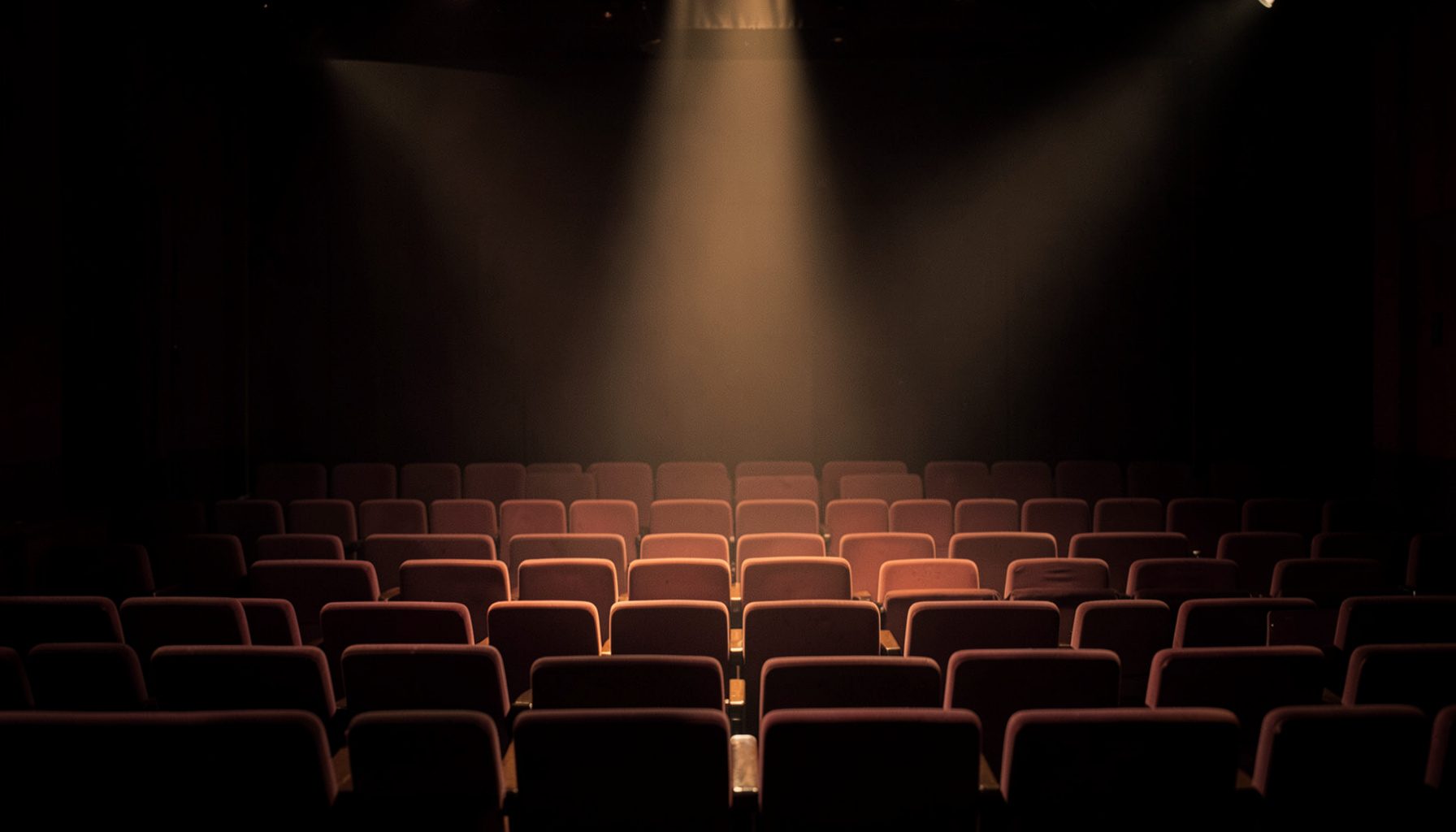
The season that almost was: Chicago's lost premieres
For every glittering opening night on Chicago's stages, there are countless plays that hover in rehearsal rooms, on playwrights' laptops, or in the inboxes of artistic directors, waiting for a green light that never comes. Theatre thrives on momentum, yet every season produces a quiet ledger of projects that stall, pivot, or dissolve entirely before an audience ever sees them. These are the world premieres that Chicago nearly had, and their stories reveal how fragile the creative pipeline can be even in a city famous for its robust scene.
The phenomenon is hardly unique to Chicago, but the scale of the city's theatre ecosystem, from the storefront companies of Lakeview to the major houses along Michigan Avenue, means the ledger is particularly long. What follows is a look at the productions that came closest to existing, and what their absence says about the economics, politics, and unpredictability of putting on a show.
When pandemics and politics collide
The 2020 shutdown remains the most visible reason a premiere can vanish. Companies that had committed to new work in early March found themselves cancelling workshops, delaying readings, and scrapping world-premiere slots within weeks. Some plays were quietly retired; others were salvaged years later in reworked forms. A generation of playwrights watched scheduled debuts evaporate, prompting many to pivot toward film, television, or audio drama as the live sector went dark.
In Australia, the closure of Melbourne's theatres and the cancellation of the 2020 Melbourne International Comedy Festival rippled through the local economy. Australian writers have long used theatre to interrogate national identity, and the sudden halt exposed how thin the safety net could be when venues went dark. Federal and state support packages, including JobKeeper and dedicated arts funding, helped keep several companies afloat, yet the queue of unproduced scripts kept growing on both sides of the Pacific.
Productions frozen in development
Some premieres die in the development phase long before any ticket is sold. A new adaptation might lose its lead producer, a devised piece might fracture when collaborators part ways, or a commissioned translation could arrive incomplete. Chicago's network of developmental spaces, including those affiliated with major universities and new-play incubators, generates dozens of staged readings each year. The leap from reading to full production is where many scripts quietly disappear.
Reviews of past seasons help illuminate what might have been. The Eclectic Full Contact review captures the kind of bold, text-driven work that might never have surfaced without adventurous producers willing to take a risk on a script still finding its shape.
Funding droughts and theatre closures
Chicago, like Sydney and Brisbane, has felt the squeeze of corporate sponsors tightening their belts and foundations redirecting funds toward emergency relief. When a company's endowment shrinks or a grant cycle shifts, world premieres are usually the first casualty because they carry the highest risk and the longest pre-production runway. A musical that needs eighteen months of development is far easier to shelve than a revival that can be cast in weeks.
Local Australian legislation has shaped what gets staged. Quota systems and Australian Content rules for broadcasters do not directly govern live theatre, yet the cultural expectation that stories reflect Australian voices influences commissioning bodies and state-funded venues. Melbourne's Malthouse and Sydney's Belvoir St Theatre have built reputations partly by championing local writers, and their commitment has kept several premieres alive when commercial producers might have walked away.
The ghosts of cancelled seasons
The most haunting premieres are the ones announced with fanfare before disappearing. A regional premiere of a Pulitzer finalist might appear in a season brochure, generate ticket presales, and then quietly vanish when the rights holder pulls the script or the lead actor takes a television job. Chicago's critics often note these gaps in year-end roundups, treating the absence of a show as a story in itself.
Even unfinished works cast long shadows. Designers' renderings end up in storage, sound designers hold onto unused compositions, and playwrights speak of shelved scripts with the tenderness usually reserved for miscarried projects. A few of these ghosts eventually surface in anthology collections, others in academic case studies of theatre economics, and a handful resurface as radio plays when broadcasters commission audio drama to keep dormant scripts alive.
Chicago's resilience and reinvention
What makes Chicago's scene remarkable is how quickly it metabolises loss. Within months of any major disruption, companies typically announce revised seasons that fold unfinished projects into hybrid formats such as podcasts, filmed readings, or immersive installations that meet audiences where they gather. The storefront tradition encourages directors to scale down ambitions, cast friends, and produce what they can with what they have.
This scrappy adaptability mirrors what audiences see in Adelaide's independent scene or the small companies scattered through Perth's inner suburbs. Chicago's lost premieres are rarely truly lost; they tend to resurface years later in different shapes, performed by new casts in venues their original creators never imagined. The DNA of the work persists even when the original production cannot.
Australian echoes across the Pacific
Australian theatre professionals who train or work in Chicago often return home with notes on what worked and what did not, and the parallels between the two scenes are striking. Both cities punch above their weight in terms of new work, both depend heavily on a mix of ticket revenue, philanthropic giving, and government grants, and both have seen entire seasons reshuffled by events far beyond the control of artistic directors. Sydney's Ensemble Theatre and Melbourne's Red Stitch Actors' Theatre have navigated similar cycles of boom and retraction.
Even audience habits rhyme. Chicago theatregoers tend to plan subscriptions months in advance, and so do subscribers at the Sydney Opera House and the State Theatre Centre in Perth. When premieres vanish from those carefully chosen lineups, the disappointment is the same: a season that looked complete suddenly has a hole, and a community of regulars has one fewer reason to dress up and head out on a Tuesday night.
Why these lost works still matter
A premiere that never happens leaves a residue. Playwrights rewrite, directors shelve their notes, designers reclaim their models, and audiences wonder what might have been. Yet the absence itself becomes part of the conversation, reminding the industry that every production that reaches opening night has survived a hundred small catastrophes. Reading about the shows that did not happen sharpens appreciation for the ones that did.
Chicago's ledger of lost premieres also offers a warning to every theatre town: a thriving new-work scene depends on sustained risk-taking, patient funders, and audiences willing to walk into a play they have never heard of. Strip any of those away, and the next season's ledger grows longer. The lesson travels well, and it is one worth keeping in mind from Adelaide to Auckland.
Subscribe to the Dueling Critics podcast, follow Kelly Kleiman and Jonathan Abarbanel on social media, and explore the archive for reviews that illuminate both what made it to the stage and what the city almost got to see.