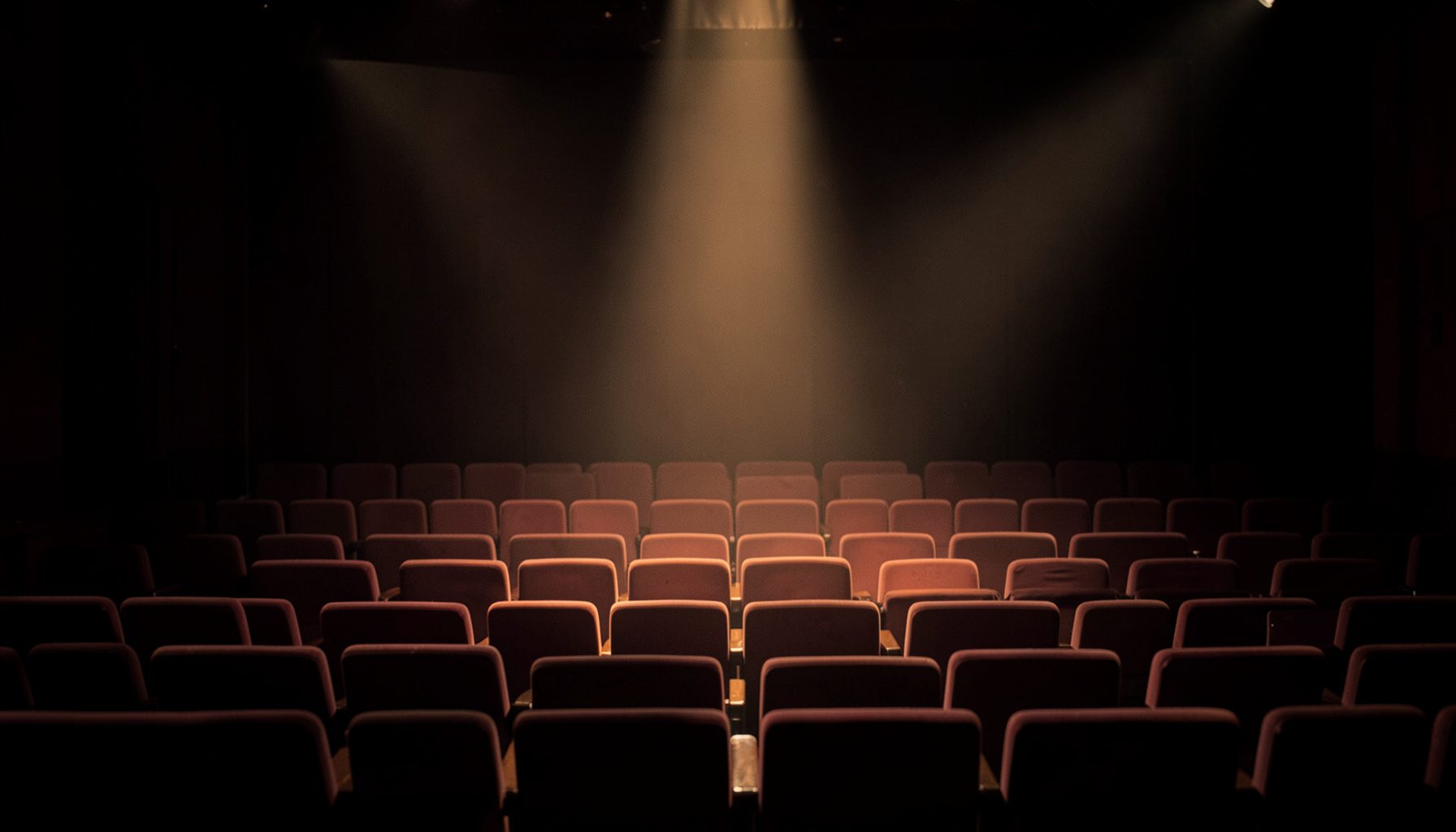
Why Chicago’s Latino theater scene is booming
Chicago’s Latino theater boom is not one tidy story. It is a web of companies, playwrights, performers and audiences connected to the city’s Mexican, Puerto Rican, Cuban and Central American communities.
Visibility has grown through the Chicago Latino Theater Festival, organizations such as Teatro see, and partnerships with established stages. Productions may be performed in English, Spanish or both, giving the city unusually direct access to Latino theatre cultures.
For Australian theatregoers, Chicago offers a useful point of comparison: dense neighbourhood venues, fierce public arguments and a population whose stories are still being pushed onto national stages. The similarities with Melbourne and Sydney are instructive, but so are the differences.
“Booming” should not be mistaken for effortless prosperity. Rents remain high, funding is uneven and many artists build international careers without secure pay. The growth is real in visibility, participation and new work, even when the economics remain precarious.
Many Latino theatres, not one Latino theatre
Chicago’s Latino population has never been a single audience. Mexican, Puerto Rican, Cuban, Salvadoran, Guatemalan and other communities have distinct histories, artistic traditions and relationships with the United States. Their stories overlap without becoming interchangeable.
That diversity gives writers room to move between documentary, comedy, musical theatre and performance art. It also complicates commercial categories: a play about immigration may interest a suburban audience while speaking most directly to a particular Chicago neighbourhood.
A festival scene with institutional momentum
The Chicago Latino Theater Festival, founded in 2005, has become a crucial launching pad for new work. Its mix of English and Spanish programming has made Latino theatre visible without placing every production outside the wider mainstream.
The festival’s importance is not only its premieres. Readings, workshops, talkbacks and collaborations with museums, universities and community groups create durable pathways from an idea to a fuller production. Bilingual conversation is part of the artistic process, not simply an add-on.
Small rooms, sharp new work
Chicago’s independent stages turn bare rooms into gathering places for experimental work. Storefront theatres and adaptable performance spaces can hold only a few dozen people, yet those close quarters make an exchange between performer and audience feel immediate.
Rage, the devised show by ensembleSxsto!, grew through workshops and performances before reaching major stages. Its focus on Mexican immigrant lives in Chicago shows how a production can move between a community room and a larger theatre without losing its intimacy.
Music, dance and bilingual storytelling
The city’s clubs, festivals and migrant musical traditions give Latino theatre a rhythmic range. Musicals, live bands, cumbia, banda and dance can be dramaturgical tools, not merely promotional entertainment, allowing a story to begin in music before dialogue takes over.
Chicago also makes room for hybrid forms. Destinies, for example, has combined spoken word, dance and hip-hop with questions about race, gender and belonging. The result can attract audiences beyond a conventional drama crowd while preserving work that is explicitly, politically Latino.
Visibility is changing the wider theatre economy
As audiences change, established companies and playwrights are commissioning more Latino artists and treating bilingual performance as part of contemporary American theatre. Visibility becomes a feedback loop: more exposure attracts donors, critics and collaborators, which in turn can create more opportunities.
This growth also raises hard questions. A festival can celebrate difference while still leaving permanent paid positions, larger budgets and decision-making power with established institutions. Chicago’s example is powerful because expansion has not been smooth, but contested from within the scene.
Reading Chicago from Australia
Australian theatregoers will recognise some of this at home. Melbourne’s laneway venues and dense calendar echo Chicago’s storefront scene, though the city is also Australia’s self-declared cultural capital. Sydney offers a useful contrast through companies such as Belvoir and Sydney Theatre Company, where main-stage resources can shape what reaches wider audiences.
Adelaide adds another model. Its Fringe compresses hundreds of shows into compact venues, with audiences moving between theatres, pubs and outdoor spaces. Brisbane Festival brings a comparable mix of international and locally made work to South Bank. Australian reviewers often use blunt shorthand, calling comedy “dry” or a well-received show a “sell-out”, so the comparison is conversational as well as geographic.
The markets differ, however. Australia distributes public cultural funding among states and territories, while commercial hubs are concentrated in Sydney and Melbourne. Distances make national touring expensive. Chicago feels unusually concentrated by comparison, with the festival, company networks and major stages linked across one city. Its Latino theatre boom offers Australian makers a lesson in building local density before chasing a national audience.
Make Chicago part of your theatre calendar
Start with the Chicago Latino Theater Festival and Teatro see listings, then broaden the search through Chicago Theatre Week. Choose a bilingual or Spanish-language performance if possible, arrive early, and stay for the talkback; those conversations often reveal as much as the play.
From Australia, make the connection practical. Follow the companies on social media, share their tour dates with local audiences, and invite a Chicago artist or ensemble to present work at an Australian festival or independent venue. Buy the ticket, support the artists, and help the work travel in both directions.