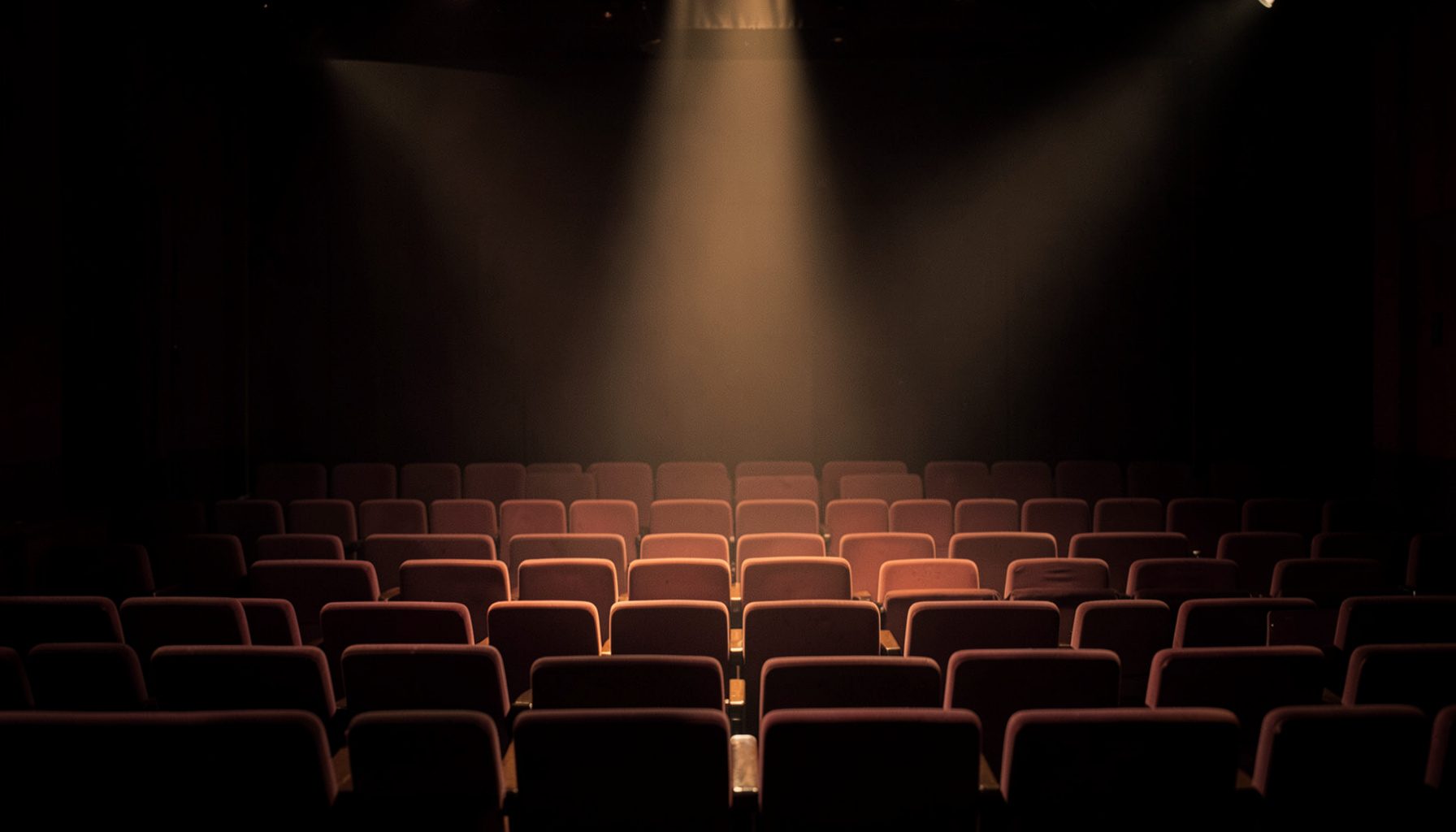
Why Chicago Storefront Theaters Are the True Gems of American Stage
Chicago's storefront theaters are easy to overlook. Tucked into former banks, barbershops, and ordinary retail spaces along streets like Halsted and Milwaukee Avenue, these venues rarely make headlines compared to the Lyric Opera or Steppenwolf's mainstage. Yet for decades they have produced some of the most daring, inventive work in the United States, often with budgets smaller than a single Broadway advertising campaign.
For Australians accustomed to intimate Sydney venues like Belvoir or the Lawler Studio in Melbourne, the concept of a small experimental space is familiar. Chicago's model carries a distinct American flavour, shaped by industrial grit, strong unions, and a stubborn belief that great theatre needs no marble lobby. The result is a network of artistic laboratories where playwrights can take risks larger institutions cannot afford.
The storefront scene also offers genuine community investment. Audiences meet the cast in the lobby, share drinks at the bar, and argue about the play afterwards. For visitors from Adelaide, Brisbane, or Perth, where distances between major hubs feel vast, this tightly knit ecosystem feels both familiar and refreshingly accessible.
Origins Born of Necessity and Reinvention
The storefront model emerged in the late 1970s and early 1980s, when rising rents pushed emerging companies out of traditional spaces. Pioneers like the Organic Theater Company discovered that converted retail spaces offered affordable rent and flexible dimensions. A shoe store by day could become a thrust stage by night, and the model stuck.
This scrappy origin echoes Australian theatre history. Griffin Theatre Company began life in a disused Sydney bus depot, while Red Stitch Actors Theatre grew from modest rehearsal rooms in Melbourne. Both traditions treat economic constraint as creative fuel, giving Chicago's storefront movement remarkable artistic resilience.
A Playground for Bold New Work
Without pressure to fill thousand-seat houses, artistic directors program plays that would terrify commercial producers. Six-character dramas, devised ensemble works, and bilingual productions all find a home. Companies like A Red Orchid Theatre, Steep Theatre Company, and Definition Theatre have built reputations by consistently backing bold new voices.
Australian playwrights recognise the same freedom. Melbourne Theatre Company's Next Stage commissions emerging writers, while Sydney Theatre Company premieres new work at the Wharf. Both countries share an appetite for homegrown stories tackling immigration, identity, climate anxiety, and Indigenous storytelling. Small rooms give those urgent themes room to breathe.
Community Roots and Local Identity
Storefront theaters are deeply embedded in their neighborhoods, programming work that reflects surrounding communities. Pilsen venues tell stories about immigrant families, while Wicker Park companies tackle gentrification dramas. This local focus gives storefronts a distinctive sense of place that touring shows cannot replicate.
Australian companies embrace similar locality. Belvoir draws on inner-city Sydney demographics, while Brisbane's La Boite speaks to Queensland voices, and Adelaide's State Theatre Company champions South Australian stories. Place-based theatre can travel across oceans while retaining its specific character.
Critics and Conversation
Reviews from the Chicago Tribune, Chicago Reader, and independent voices like Dueling Critics direct audiences toward storefront productions. Kelly Kleiman and Jonathan Abarbanel have devoted years to shining light on overlooked work through their podcast and website, creating a shared conversation about the city's vibrant small-scale scene.
This mirrors Australia's critical landscape. The Sydney Morning Herald and The Age reviewers help readers navigate packed calendars. In a country with fewer than 27 million people spread across vast distances, informed criticism helps audiences decide which productions justify a trip across town or across state lines.
A Welcoming Space for International Visitors
For Australians visiting Chicago, a storefront show offers accessible culture. Tickets range from twenty-five to fifty-five US dollars, and seating rarely exceeds 150, ensuring clear views. Many venues sit within walking distance of restaurants in Lakeview, Logan Square, or Pilsen.
The Australian live performance industry operates within frameworks established by Live Performance Australia, advocating fair contracts and safe venues, while protections under the Copyright Act 1968 safeguard creators' rights. Chicago storefronts navigate similar fire codes and accessibility requirements. Both cities share a goal: keeping small-scale theatre a viable career for working artists.
Affordability and Accessibility
Many storefront companies host pay-what-you-can nights, student discounts, or free community matinees. Some venues run post-show discussions where audiences engage the creative team directly. This open-door ethos distinguishes them from larger institutions that sometimes feel intimidating to first-time theatregoers.
Similar initiatives thrive across Australia. Belvoir's affordable ticket programs, the Street Theatre in Canberra's accessibility pricing, and La Boite's discounted previews all lower thresholds for new audiences. Both Chicago and Australian companies understand that building future audiences requires welcoming today's curious newcomers.
Intimacy as a Dramatic Tool
In a storefront, every whisper is audible, every glance is felt, and the fourth wall often dissolves before the lights go down. Actors must commit fully, knowing any lapse reaches the back row instantly, and audiences respond with razor-sharp focus in return.
Australian independents offer similar intensity. Watching Griffin or Red Stitch feels less like passive observation and more like shared ritual. Both traditions prove that scale and grandeur are not prerequisites for emotional impact, and that small rooms can hold enormous truths.
| Feature | Chicago Storefront Theaters | Australian Intimate Venues |
|---|---|---|
| Typical Capacity | 50–150 seats | 80–250 seats |
| Average Ticket Price | USD 25–55 | AUD 45–90 |
| Season Length | 3–8 weeks | 4–10 weeks |
| Funding Sources | Tickets, donations, grants | Government grants, sponsorships, tickets |
| Notable Examples | A Red Orchid, Steep, Definition | Belvoir, Griffin, Red Stitch |
Ready to explore more? Subscribe to the Dueling Critics podcast, browse their review archive, or plan a storefront pilgrimage through Chicago's neighborhoods. Better yet, check out the next show at your local independent venue in Carlton, Newtown, or Fortitude Valley, and experience the intimacy and risk-taking that make small theatre unforgettable.