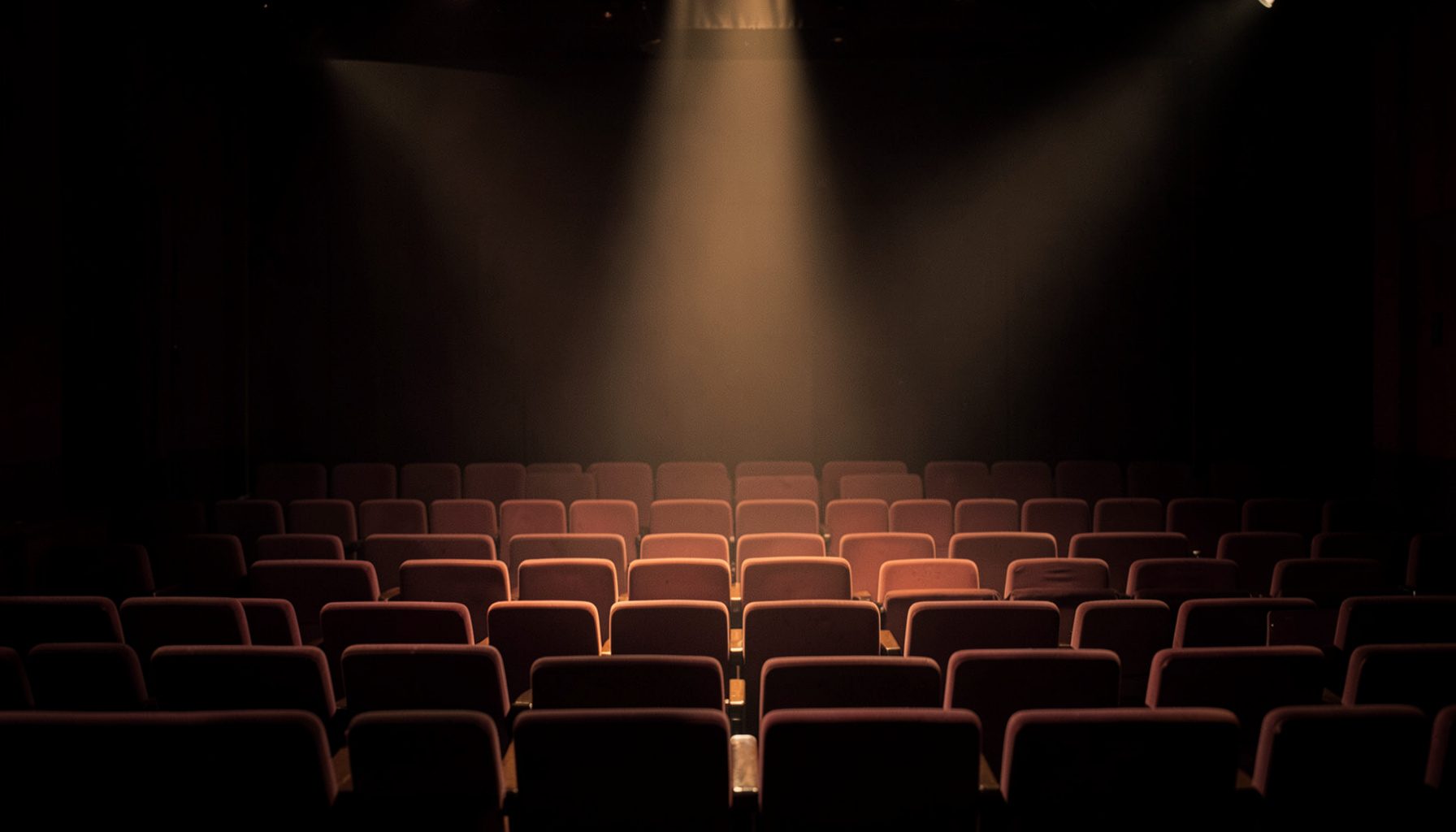
The solo stage: Three performers reinventing the one-person show
Solo theatre thrives in a space no other form quite reaches. One performer, one audience, no scene changes, no co-star to share the risk. Every laugh, every silence, every held breath belongs to the artist alone, and that intimacy is what keeps audiences coming back.
Chicago has hosted adventurous solo work for decades, from early experimentalists in converted warehouses to contemporary voices pushing the form into territory no ensemble could reach. The current generation blends autobiography, theatrical invention, and political urgency in ways earlier solo pioneers would scarcely recognise.
Three artists stand out for reshaping what a one-person show can be. Each brings a distinct sensibility while sharing a commitment to theatrical risk that has redefined the genre for modern audiences from Sydney to Brooklyn.
Hannah Gadsby and the power of the personal narrative
Hannah Gadsby emerged from the stand-up rooms of the Melbourne International Comedy Festival before taking the international stage by storm with "Nanette." The show arrived at a moment when audiences were hungry for comedy that doubled as cultural reckoning, and it landed accordingly.
Gadsby's signature move, the deliberate dismantling of her own jokes to expose the trauma beneath them, transforms the stand-up stage into a confessional one. Her later works, including "Douglas" and the more introspective "A Special Comedy Special," continue to fuse memoir, art history, and biting social commentary. Tickets for her Australian tours routinely push past A$150, reflecting her stature as a serious theatrical draw rather than a touring comic.
Daniel Kitson and the architecture of storytelling
Across the Atlantic, British storyteller Daniel Kitson has spent two decades treating his solo shows like carefully constructed pieces of theatre rather than comedy sets. His work on the Edinburgh Fringe and in small UK venues has built a devoted following willing to watch him weave an hour of offhand observations into something quietly profound.
What separates Kitson from most solo performers is his insistence on writing as craft. He treats a rambling anecdote about a secondhand bookshop as seriously as a Chekhov monologue, building toward endings that earn their catharsis through patience. Recent Australian dates in tiny Melbourne and Sydney rooms sold out within hours, with audiences paying A$60 to A$90 for the privilege of an evening in his company.
Anna Deavere Smith and documentary theatre reborn
American performer Anna Deavere Smith pioneered a form often called documentary theatre. She conducts hundreds of interviews, then performs selected subjects verbatim, switching between characters with minimal costume change and an extraordinary ear for speech. Her landmark "Fires in the Mirror" and "Twilight: Los Angeles, 1992" remain required viewing in drama programs from Brisbane to Boston.
Smith's method turns journalism into performance, treating the solo stage as a site for exploring community fracture and resilience. Her more recent works tackle healthcare, immigration, and the American criminal justice system with the same rigour. The format, once considered too cerebral for general audiences, now regularly fills major American venues and influences a generation of solo artists, including Chicago-based performers carrying her torch into storefront spaces.
What makes a solo show succeed
Solo performance lives or dies on a handful of elements that ensemble theatre can hide behind lighting, scene partners, or music. A solo performer must hold the room alone, sustain narrative momentum without the relief of an offstage exit, and earn every emotional beat through sheer presence.
| Element | Hannah Gadsby | Daniel Kitson | Anna Deavere Smith |
|---|---|---|---|
| Primary mode | Confessional comedy | Literary storytelling | Documentary performance |
| Typical runtime | 60–90 minutes | 60–120 minutes | 90–150 minutes |
| Audience interaction | Direct address, controlled | Warm, conversational | Limited, portrait-focused |
| Vulnerability source | Personal history | Emotional revelation in others' stories | Voices of real interviewees |
| Signature technique | Deconstructing the joke | Circular narrative structure | Verbatim speech and physical imitation |
A strong solo show balances scripted precision with the appearance of spontaneity. Audiences want to feel they are witnessing something unrepeatable, even when every beat has been rehearsed a thousand times. The best practitioners hide their craft so thoroughly that the evening feels like overheard confession rather than performed theatre.
Catching the work in Chicago and beyond
Chicago audiences enjoy a particularly rich slate of solo work, partly because the city's storefront theatre ecosystem nurtures risk-taking artists willing to mount one-person shows in intimate rooms. For those unfamiliar with that scene, why Chicago's storefront theaters are the city's true gems offers a thoughtful primer on where the city's most adventurous solo work tends to surface.
In Australia, the Melbourne International Comedy Festival remains a primary hunting ground for emerging solo talent. The Sydney Opera House and Adelaide Festival Centre regularly program international tours, while Brisbane's La Boite and Melbourne's Malthouse occasionally host solo works that push past the comedy-night format into something genuinely theatrical. Solo work thrives in small rooms where every cough and shuffle becomes part of the performance, and the smallest venues often yield the most rewarding nights.
Anyone drawn to the form should seek out a solo show at least once a year. The discipline required to hold a stage alone has rarely produced artists more deserving of an empty chair, a quiet room, and your full attention. Book a ticket, switch off your phone, and let one performer carry you somewhere you did not expect to go.